





Cleaning and Service Equipment and Supplies
The Pandemic is Over, So Why Are Chlorine Prices Still So High?


In the early months of the COVID-19 pandemic, supply chain disruptions and plant closures created a surge in chlorine prices that pool owners and service providers are still grappling with today. Many hoped that the reopening of BioLab’s plant in November 2022—a critical producer of chlorine products—would ease the strain on the market. However, almost two years later, chlorine prices remain high.
Seeking to provide clarity, this article delves into the underlying reasons why chlorine prices have not returned to pre-pandemic levels, despite expectations of relief. A combination of market dynamics, increased demand, limited supply, rising production and transportation costs, and inflation continues to exert upward pressure on chlorine prices.
What Caused Chlorine Prices to Spike?
To understand why chlorine prices remain elevated, it’s essential to look back at the events that triggered the initial spike.

The initial spike in chlorine prices can be traced back to a combination of several key factors:
1. The BioLab Plant Fire in 2020
The most significant event contributing to the chlorine shortage was a devastating fire at BioLab’s production plant in Westlake, Louisiana. The fire occurred in August 2020, shortly after Hurricane Laura swept through the area, damaging the plant. BioLab was a leading producer of chlorine tablets, and the destruction of this facility removed a major supplier from the market. With fewer producers able to meet demand, prices began to rise sharply.
2. Surge in Pool Construction During the Pandemic
The COVID-19 pandemic led to a boom in backyard pool construction, as more people sought ways to stay entertained at home. As a result, demand for chlorine soared. With more pools being built than ever before, both new and existing pool owners stocked up on chlorine to maintain their water, further exacerbating the supply crunch.
3. Panic Buying and Stockpiling
Similar to the panic buying seen with other goods during the pandemic, many pool owners and professionals began stockpiling chlorine. Uncertain of when the supply chain would normalize, consumers bought large quantities of chlorine tablets, adding more pressure to the already limited supply.
4. Supply Chain Disruptions
Global supply chain issues affected the delivery of raw materials and chemical components needed for chlorine production. Pandemic-related labor shortages, transportation delays, and increased shipping costs made it more difficult for manufacturers to keep up with demand, which in turn drove prices higher.
5. Limited Number of Chlorine Producers
Even before the fire, the pool chlorine industry was already reliant on a small number of manufacturers, with limited capacity to absorb sudden demand increases or production disruptions. With BioLab out of commission, the remaining producers struggled to fill the gap, leading to further price increases.
These factors combined to create a perfect storm, resulting in skyrocketing chlorine prices that have yet to return to pre-pandemic levels, even with BioLab back online.
Understanding Market Dynamics: A Slow Road to Stability
Although chlorine prices have eased slightly from their peak in 2022, they remain stubbornly high compared to pre-pandemic levels. Market reports indicate that prices have decreased from their all-time high, offering some relief to pool owners and service professionals. However, chlorine still costs approximately 20% more than it did before the pandemic began.
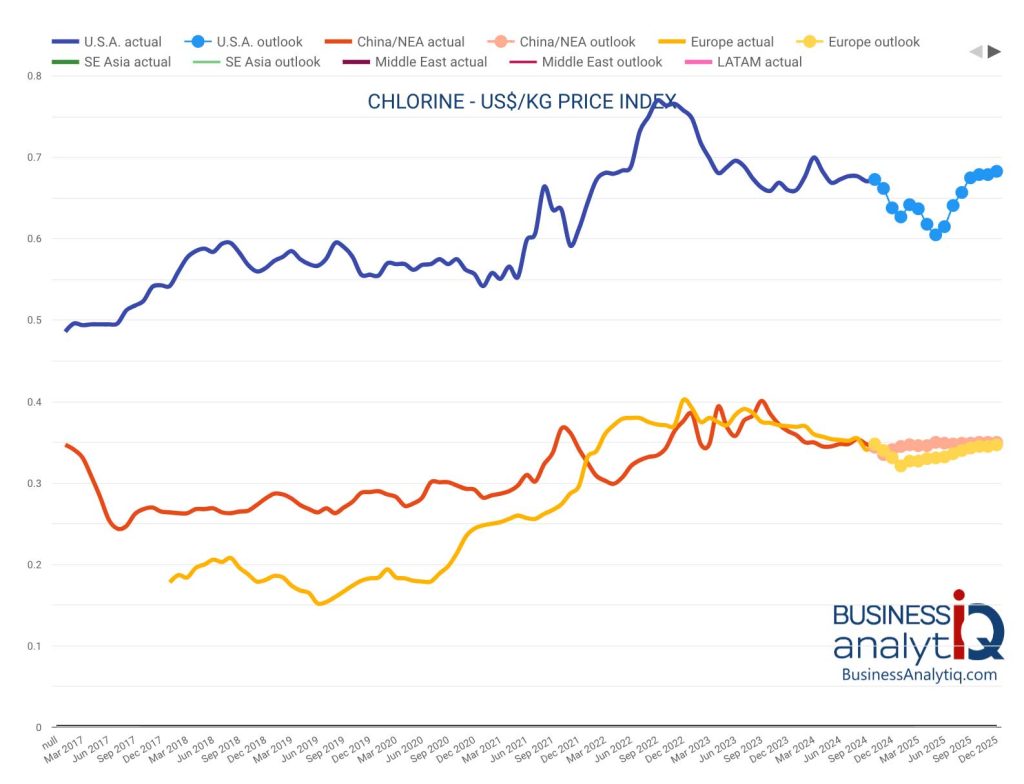
This modest dip in prices reflects a gradual recovery, yet, the market has not returned to normal. Persistent inflation, rising production and transportation costs, and increased demand for chlorine are keeping prices elevated.
While these conditions suggest that further price stabilization may be on the horizon, the 20% gap highlights the lasting impact of the pandemic-era disruptions. Many pool owners have had to adjust their budgets and explore alternatives, such as mineral-based algaecides or UV systems, to manage costs as they continue navigating higher chlorine prices.
Supply and Demand: A Pandemic-Driven Boom in Pool Construction
The pandemic triggered a surge in pool construction as people sought ways to enhance their outdoor living spaces. This increase in residential pools has led to a rise in demand for pool chemicals, including chlorine. According to industry reports, the demand for chlorine has grown steadily since 2020, putting additional pressure on manufacturers to meet consumer needs.
However, the number of companies that manufacture pool chlorine tablets is limited, leaving little room to absorb the sudden uptick in demand. Even with BioLab back in operation, the supply side of the equation is still catching up. Ongoing supply chain disruptions—ranging from shortages in raw materials to bottlenecks in logistics—have further complicated efforts to streamline production.
Additionally, chlorine producers are facing a labor crunch, with many manufacturers struggling to fill skilled positions needed to keep production lines running efficiently. As a result, it has been challenging to meet the higher demand without delays or increased costs, perpetuating high prices.
Rising Production and Transportation Cost
The cost of producing and transporting chlorine has also increased significantly, contributing to the persistent price hikes. Chlorine production is energy-intensive, and rising energy prices have driven up operational costs. Additionally, chlorine tablets require specific packaging to ensure safe handling and storage, and the cost of packaging materials has gone up as well with inflation.
Transportation costs have also increased, further impacting chlorine prices. The chemical industry relies heavily on specialized transportation to move hazardous materials like chlorine safely. Fuel costs have fluctuated over the past few years, and freight companies have raised rates due to driver shortages and higher operational expenses.
“The logistics involved in transporting chlorine are complicated and expensive,” one industry insider explained. “These costs inevitably get passed down to the consumer.”
Inflation’s Impact on Chlorine Prices
Inflation has played a major role in keeping chlorine prices elevated. In recent years, inflationary pressures have increased across nearly all sectors of the economy, from raw materials to labor and transportation. The pool industry has not been immune to these effects.
Even as some supply chain issues have been resolved, the cost of doing business has remained high. Labor costs have increased as employers offer higher wages to attract workers, and the cost of raw materials used in chlorine production has risen as well. These inflationary pressures have forced manufacturers to maintain higher prices to cover their increased expenses.

Outlook: When Will Prices Stabilize?
The chlorine market is likely to remain volatile in the near term, with no immediate relief in sight for consumers. While BioLab’s reopening was a big step in the right direction toward restoring balance in the market, the industry is still grappling with the long-term effects of the pandemic. Market stabilization will depend on several factors, including improvements in supply chain efficiency, labor availability, and energy prices.
In the meantime, pool owners and service providers will need to find ways to manage costs. Many professionals are turning to alternatives, such as mineral-based algaecides and UV sanitation systems, to reduce chlorine consumption. Others are stocking up on chlorine during off-peak seasons, when prices are slightly lower, to mitigate the impact of ongoing price fluctuations.
Industry experts predict that chlorine prices may begin to stabilize by late 2024 or 2025 as supply chains improve and inflationary pressures ease. However, with demand for pools and outdoor living continuing to grow, it is unlikely that chlorine prices will return to pre-pandemic levels anytime soon.
Main Take Aways
Despite hopes that chlorine would drop substantially in 2024, a combination of factors has kept them stubbornly high. Market dynamics, ongoing supply and demand imbalances, rising production and transportation costs, and inflation have all contributed to the persistence of elevated prices.
While there may be some long-term stabilization in the future, pool owners and service professionals will need to remain adaptable in managing their chlorine needs. Exploring alternative sanitation methods, optimizing chemical usage, and planning ahead for seasonal fluctuations can help mitigate the impact of high chlorine prices.
As the pool industry continues to evolve, the lessons learned from this period of price instability will likely shape future strategies for managing supply, demand, and production costs more effectively. Until then, consumers will need to navigate the realities of a complex and evolving market.








Cleaning and Service Equipment and Supplies
Pentair IntelliFlo3 VSF Pump: Smarter Pools, Simpler Service
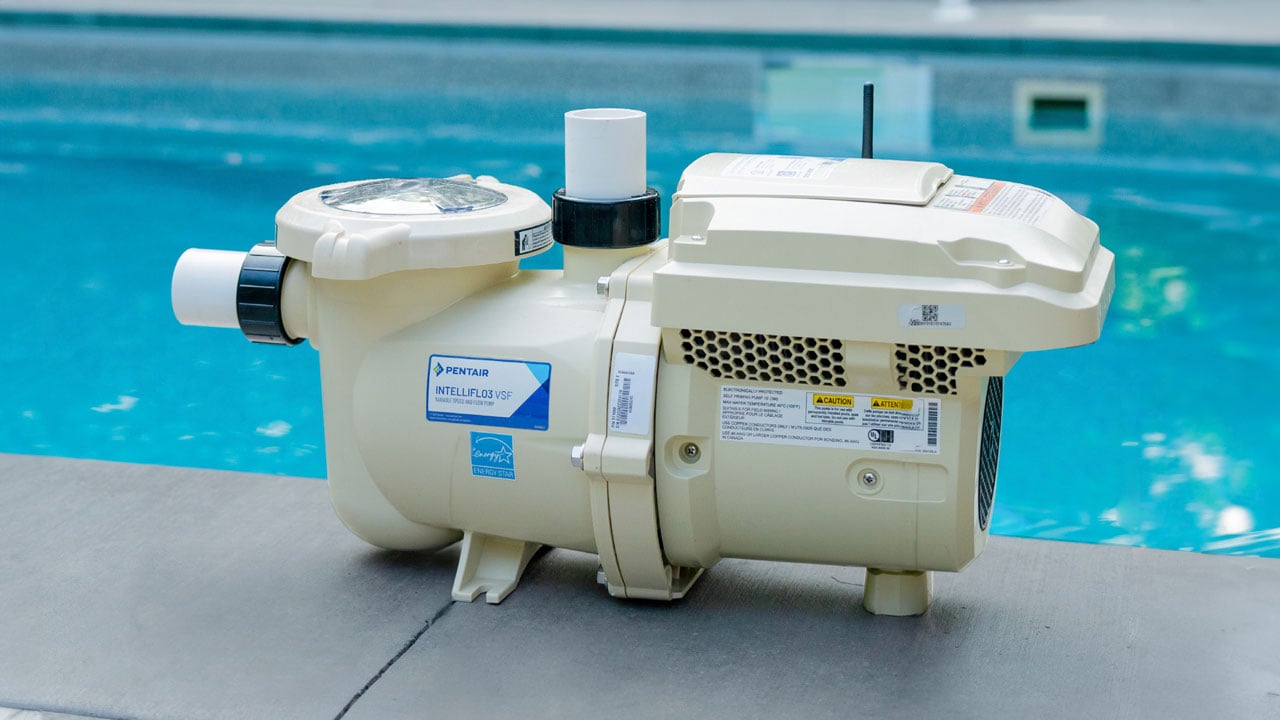
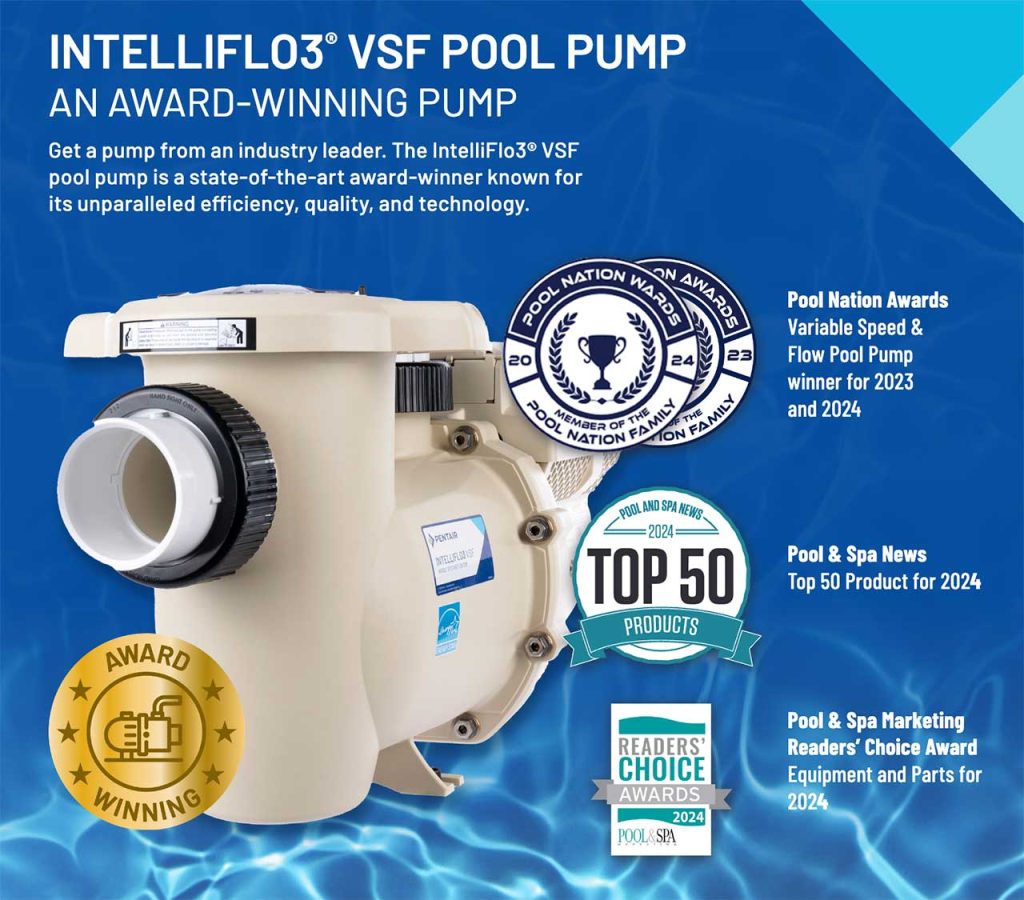
When it comes to pool equipment, few innovations have reshaped the industry as much as variable speed pumps. They’ve cut energy costs, reduced strain on equipment, and helped pool owners embrace greener backyard living. Now, Pentair has taken things to the next level with the IntelliFlo3 VSF pump—a solution designed not only to move water efficiently but also to bring powerful automation and remote connectivity directly into the heart of the backyard.
To better understand what makes the IntelliFlo3 such a game-changer for both pool owners and service professionals, Pool Magazine sat down with Adam Key, Senior Product Manager for Pentair Pool Pumps. With more than 15 years at Pentair, much of it spent in new product development, Key has seen firsthand how pool technology has evolved—and why this latest generation pump is such a leap forward.
How IntelliFlo3 is Redefining Pool Automation
For decades, single-speed pumps controlled by mechanical time clocks were the industry standard. They kept water moving, but at a steep cost. “Those time clocks were the first and most primitive form of automation for pools,” Key explained. “Whenever that pump was on, it was running full blast, consuming a lot of electricity. That’s why we wanted time clocks—to cut costs and energy waste.”

Variable speed pumps introduced scheduling and energy savings, but they had one big flaw: the user interfaces were often clunky. “Usually that schedule’s not changed,” Key noted. “It’s really not much of an automation tool if you’re never updating it based on seasonal needs or bather load.”
That’s where IntelliFlo3 changes everything. By adding Wi-Fi and Bluetooth connectivity, Pentair gave users an intuitive mobile app to set, adjust, and monitor pump schedules anytime, anywhere. “You could be on vacation, see a storm coming at home, and increase the filtration cycle to keep your pool clear—all from your phone,” Key said. The result: a pump that adapts to real-life conditions instead of being locked into a static program.
Built-In Relays for Smarter Control
One of the IntelliFlo3’s biggest innovations is its built-in relays, allowing homeowners to control more than just water circulation. “It’s a two-in-one automation system,” Key said. “It automates the filtration of the pool, but also gives you the ability to control other equipment.”
Lighting is the most common example. “Instead of flipping a switch on and off 10 times to find the right color, you just press red, green, blue, or party mode in the app,” he explained. Homeowners can also schedule lights to create nightly ambiance or coordinate them with backyard entertaining. “Most people want their pool to be enjoyed, but also want it to look great,” Key added. “Having your lights set up on a schedule makes it part of the whole backyard experience.”
Salt chlorine generators and heaters can also be tied in. “That salt cell is only operating when there’s water moving through it,” Key explained. “And with heaters, parents have oversight—kids can’t just flip it on and leave it running for hours, which can lead to sky-high gas bills.”
Beyond the Basics
The IntelliFlo3’s control isn’t limited to just those three essentials. “Really, you can control anything that just needs to be turned on or off—booster pumps, ozone systems, UV systems, landscape lights,” Key said. “For simple pools that only have a couple of items to control, this is the perfect solution.”
For more elaborate backyards with multiple features—waterfalls, fire bowls, or extensive lighting setups—Pentair’s IntelliCenter system offers deeper automation. But for the majority of pools, the IntelliFlo3 delivers surprising flexibility without requiring extra hardware.
Benefits for Homeowners and Service Pros
While automation is a big win for homeowners, service professionals may find IntelliFlo3 just as valuable. With remote connectivity built in, technicians can monitor performance, diagnose issues, and even resolve problems without ever rolling a truck.
“Because it’s an internet-connected device, servicers can see pump status, check if it’s running at the right speed, and fix problems on the fly,” Key explained. “You might get a notification that the pump lost prime—often because the water level dropped below the skimmer. Instead of sending someone out, you can call the homeowner and have them top it off. That saves time, fuel, and keeps your customers happier.”
For service companies, that means fewer emergency calls, better efficiency, and the ability to offer premium service packages. “It really is like a white-glove service you can now deliver with just this pump,” Key added.

Tracking Energy and Maintenance
The IntelliFlo line has long displayed instantaneous wattage, but IntelliFlo3 goes further with historical tracking in the Pentair Pool app. “Now you can see daily, weekly, and monthly energy consumption,” Key said.
This data empowers owners to tie maintenance directly to performance. “When energy usage climbs over time, that’s a sign the filter is loading up. Clean it, and you’ll see the usage drop right back down,” he explained. It’s a simple, visual way to keep energy costs down and prolong equipment life.
For eco-conscious homeowners, this visibility is especially appealing. For pros, it provides a teaching tool that reinforces the value of proper maintenance.
Staying Ahead of DOE Regulations
Another reason IntelliFlo3 is timely is the Department of Energy’s upcoming regulation on replacement motors. The DOE already pushed the industry toward variable speed pumps for new installations, but until now, replacement motors were exempt.
“That’s the piece they’re changing,” Key said. “Starting September 25, you can no longer buy or manufacture single-speed motors between 1.15 and 5 horsepower. All those replacement needs will have to go to a variable speed solution.”
For pros, that means educating homeowners on compliance and value. “There’s lots of energy savings, but also automation benefits,” Key emphasized. “It’s an investment that pays off quickly and enhances the pool experience.”
The Future of Smarter Pools
In many ways, the IntelliFlo3 is more than a pump—it’s a control hub, a monitoring system, and a service tool wrapped into one sleek package. “It brings convenience and efficiency for both homeowners and pool professionals,” Key said. “It’s the first of its kind with true Wi-Fi enabled relay control, energy tracking, and remote monitoring—all without additional hardware.”
For pool professionals, that means fewer truck rolls, improved efficiency, and happier clients. For homeowners, it means lower bills, simplified automation, and peace of mind that their pool is being looked after—even when they’re not around.
In an age where smart homes are standard, it only makes sense that pools keep pace. With the IntelliFlo3, Pentair has made that leap, creating a smarter, more efficient, and more enjoyable backyard experience.
The real takeaway? Smarter pools aren’t the future—they’re here now. And with IntelliFlo3, the pump that once only moved water is now moving the entire industry forward.
| Feature | Details |
|---|---|
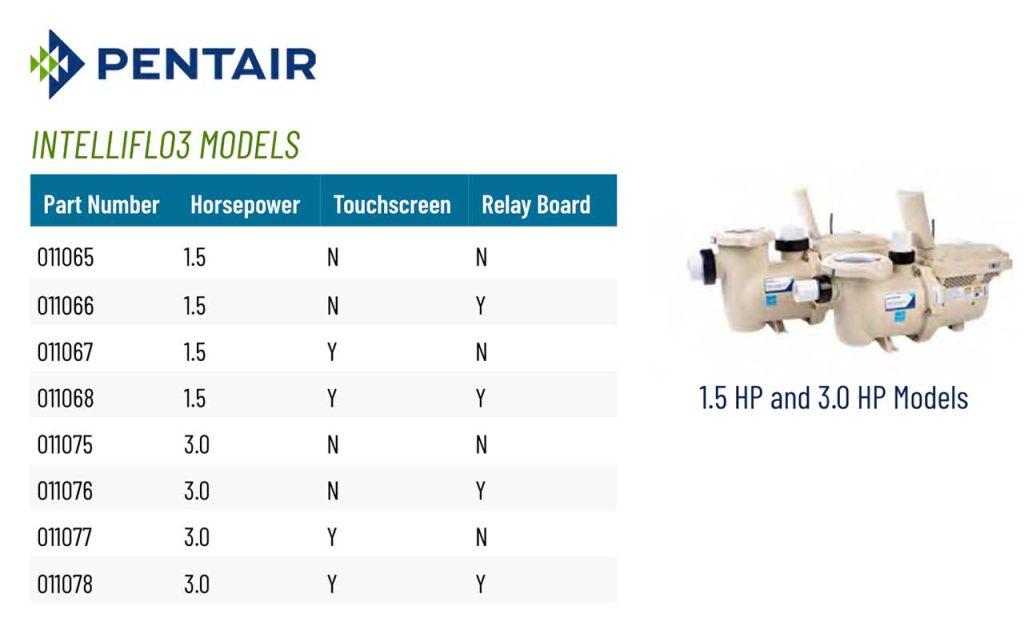
| Horsepower Options | Available in 3.0 HP and 1.5 HP models to fit a variety of pool needs. |
| Easy Installation | Guided setup with the Pentair Pro app using step-by-step instructions; optional ongoing remote monitoring for simplified maintenance. |
| Flow Control | Patented flow technology automatically adjusts to pool conditions; as debris clogs the filter, the pump speeds up to maintain proper flow. |
| Automation | Built-in two-relay automation system lets you connect and control up to two additional devices (e.g., pool lighting, salt chlorine generator) via the Pentair Home app. |
| Connectivity | View real-time status, alerts, and notifications in the Pentair Home app or on the pump touchscreen. Wi-Fi enabled with OTA (over-the-air) software updates. |
| Proprietary Flow Tech | Maintains optimal water flow for peak performance and extended equipment life. |
| Energy Savings | Provides up to 90% energy savings compared to single-speed pumps by running at slower, regulated speeds. |
| Replacement Ready | Versatile upgrade or replacement option for existing pools, available in both 1.5 HP and 3.0 HP. |
| Quiet Design | Engineered for low-noise operation, delivering powerful performance without disruption. |
| Upgraded Motor & Design | Features an updated motor, drive, and hydraulics; ENERGY STAR® rated and DOE-compliant. |
| Mobile Monitoring & Control | Use the Pentair Home app to set schedules, adjust performance, and manage operations anytime, anywhere. |
Resources:
Ready to Take a Deeper Dive?
Listen to our entire conversation with Adam Key on the Pool Magazine podcast.
Cleaning and Service Equipment and Supplies
Skimmer Integrates with LaMotte Spin Touch® for Faster, Error-Free Water Testing


Austin, TX — August 13, 2025 — Skimmer, the leading software platform for pool service businesses, today announced a new integration with LaMotte Spin Touch® photometers (models 3580–3582), bringing pool professionals a faster, smarter, and more accurate way to capture and record water test results in the field.
This Bluetooth-enabled integration allows technicians to instantly sync water test results from Spin Touch® devices directly into Skimmer’s mobile app, eliminating the need for manual data entry and the transcription errors that accompany it. This, combined with Skimmer’s industry-leading ease-of-use, promises to make the app experience for poolside techs faster and more seamless than ever before.
“We know that water testing can be a pain point for pool pros, especially when it slows down field work or creates uncertainty in the data,” said Jack Nelson, CEO of Skimmer. “With this integration, we’ve removed that bottleneck. You test the water, the data syncs automatically, and you’re on to the next pool.”

Faster field workflows, cleaner data
This update streamlines one of the most repetitive and error-prone tasks in a pool tech’s day by connecting Spin Touch® results directly to Skimmer’s service records. Test results appear automatically in the app in seconds without tapping, typing, or copy-pasting.
The integration delivers several key benefits for pool professionals; It saves time poolside by auto-importing water test results in seconds, eliminating the need for manual entry. It also reduces human error, ensuring accurate data by pulling results directly from the device—no typos, no rework. With device-verified readings, businesses can trust the integrity of every record. And if adjustments are needed, techs retain the flexibility to override or edit any result before saving.
“At LaMotte, we’re dedicated to giving pool professionals the tools they need to test water quickly, accurately, and confidently, ” says Jonathan Banish, Director of Software and Service Products at LaMotte Company.
“Integrations with pool service companies like Skimmer make the industry-leading performance of LaMotte Spin Touch® a seamless part of the daily workflow for thousands of service professionals,” he says.
Currently, the integration supports Bluetooth-enabled LaMotte Spin Touch® devices used in the field. In-store testing integrations are not available at this time, but Skimmer is actively evaluating future enhancements based on customer demand.
For more information or to get started, visit getskimmer.com or contact Skimmer support.
About Skimmer
Skimmer is America’s #1 pool service software platform. The company is on a mission to modernize the pool and spa service and repair industry through easy-to-use software and best-in-class support. Over 30,000 pool service professionals servicing 900,000 pools in North America use Skimmer to get organized, get paid faster, and grow their businesses. For more information about this report, Skimmer, or our products and services, please visit www.getskimmer.com.
About LaMotte
Founded in 1919, LaMotte Company is a leading manufacturer of water testing equipment and supplies for professionals, educators, and hobbyists. Known for innovation, accuracy, and reliability, LaMotte develops cutting-edge solutions like the Spin Touch® photometer to simplify water analysis across industries.
Cleaning and Service Equipment and Supplies
Streamlining Maintenance with the Right Cartridge Filter Replacement
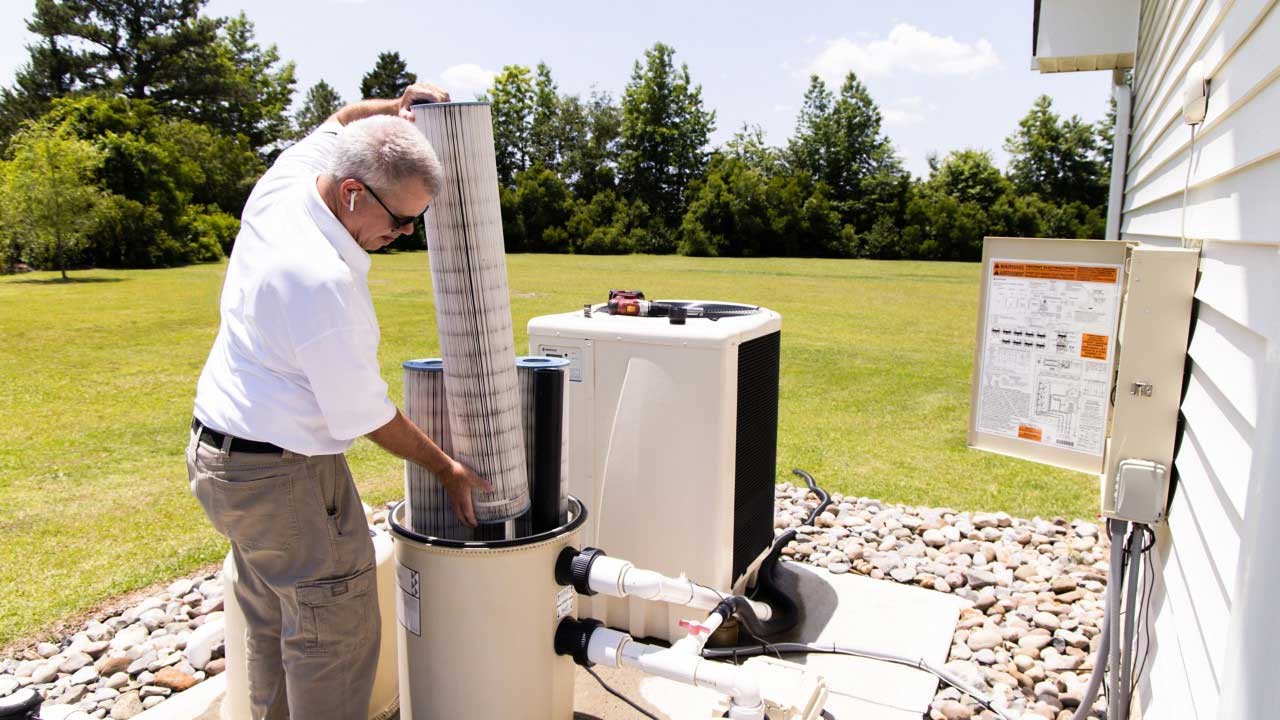
When it comes to efficient pool maintenance, selecting the right cartridge filter replacement can have a profound impact on service schedules, inventory management, and operational costs. Cartridge filters, like those offered by Pleatco and discussed by Scott Gleason and Kevin Stewart of Pentair Pool on the Pool Magazine podcast, offer pool service professionals a way to streamline their operations.
This article aims to explore the specific time-saving benefits, how standardized cartridges simplify inventory management, the reduction in operational costs, and the advantages of replacing sand filters with cartridge systems. We will also identify the ideal pool types for cartridge filters and how Pleatco’s innovative replacements improve maintenance efficiency.
Time-Saving Benefits for Maintenance Schedules
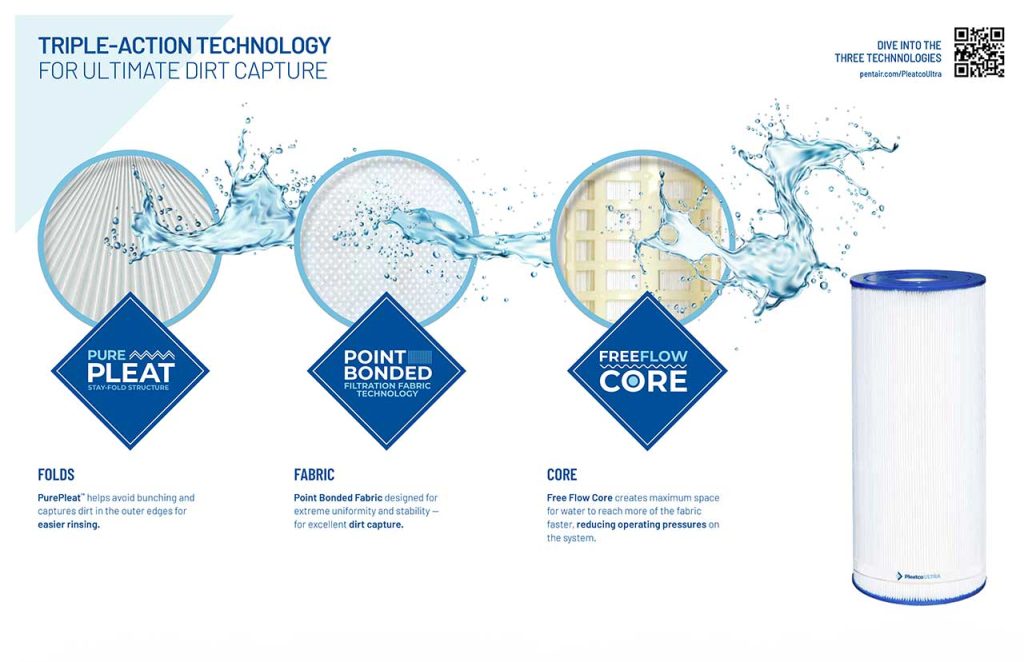
One of the biggest challenges pool professionals face is balancing busy schedules, especially during peak seasons. Scott Gleason emphasized how the right filter cartridge can extend the time between cleaning cycles. Pleatco’s advanced cartridges feature point bonded filtration fabric and PurePleat technology, which distribute dirt evenly and reduce flow resistance over time. This means fewer service calls to clean clogged filters and quicker service when cleaning is required.

“Less frequent and quicker service events translate into fewer unscheduled visits, making it easier for pool pros to manage their time efficiently,” Gleason explained. This enhanced efficiency allows technicians to serve more clients without compromising quality.

Simplifying Inventory Management with Standardized Cartridges
Kevin Stewart highlighted how Pleatco’s cartridge design supports multiple pool brands, eliminating the need for pool pros to stock various filter types. “By standardizing cartridges, service pros save both time and money. You won’t need to maintain a large inventory of different brands, which makes things much simpler,” Stewart said.
Pleatco’s ultra-line cartridges are particularly noteworthy because they combine multiple filter functions into a single, versatile product, fitting a wide variety of pool systems. This consolidation minimizes inventory while ensuring professionals are prepared for various service scenarios.
Operational Cost Savings with the Right Filter Cartridges
Using high-quality cartridges not only saves time but also reduces operational costs. Gleason explained that opting for cheaper, lower-quality filters often leads to more frequent cleanings and service visits. “While some pool owners may focus on the initial cost, higher-quality cartridges offer long-term savings by extending cleaning intervals and ensuring optimal filtration,” Gleason noted.
Pleatco’s cartridges also help conserve water. Cartridge systems eliminate the need for backwashing, a process required with sand filters that wastes chlorinated water. Stewart pointed out, “Skipping backwashing avoids chemical loss and aligns with water conservation efforts, especially in regions with water restrictions.”

Advantages of Replacing Sand Filters with Cartridge Filtration
Cartridge filters offer several advantages over traditional sand filters. Stewart noted that “cartridge filtration delivers better water clarity by capturing particles nearly twice as small as sand filters.” Additionally, cartridge systems provide greater square footage for water filtration, reducing the frequency of cleanings.
Sand filters require frequent backwashing, which can occur weekly, while cartridge filters may only need cleaning every few months. The absence of backwashing in cartridge systems not only saves water but also simplifies maintenance, reducing downtime for pool owners.
Best Pool Types for Cartridge Filters
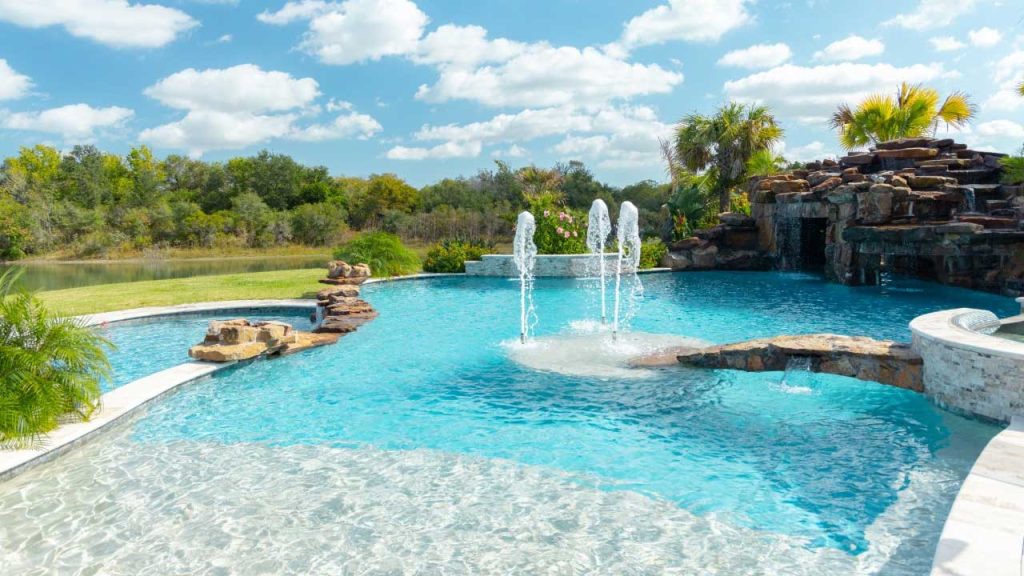
According to Gleason, cartridge filters are ideal for several specific pool settings:
- Residential pools with space constraints where large sand filters would be impractical.
- Saltwater pools that benefit from the fine filtration capabilities of cartridges.
- Pools in areas with water restrictions, where conserving water is critical.
- Low-usage pools that don’t require constant backwashing, making them ideal for cartridge filtration.
These filters are particularly well-suited for pools where water clarity is paramount, and maintenance needs to be minimal.
Key Features to Look for in Cartridge Filters for Extended Cleaning Cycles
| Feature | Benefit | Impact on Maintenance |
|---|---|---|
| Point Bonded Fabric | Greater dirt capture and stability | Fewer cleanings needed, extending service cycles |
| Open Flow Core Design | Reduces resistance and operating pressure | Improves water flow and filtration efficiency |
| PurePleat Technology | Prevents pleat bunching and ensures even loading | Quicker and easier cartridge rinsing |
| Universal Fit | Compatible with multiple brands | Simplifies inventory and reduces replacement time |
| Durability | Resists wear and tear | Longer cartridge life, reducing replacement frequency |
How Pleatco Cartridges Help Pool Professionals Accommodate a Busy Maintenance Schedule
With maintenance schedules becoming more demanding, especially during peak pool season, using Pleatco filters ensures service professionals can meet tight timelines. “Making an extra trip to a pool for filter cleaning can feel tedious, especially during busy times,” Gleason noted. “Pleatco’s ultra-line cartridges allow for fast and easy cleaning, which means less time spent on each service call.”
This is achieved by the combination of Pleatco’s key features—point bonded fabric, open flow core, and PurePleat technology. Together, these innovations reduce the frequency of filter cleanings and make rinsing faster when needed.
“Service techs can expect cartridge cleaning to be as simple as removing, rinsing, and replacing,” Gleason added. This streamlined process helps professionals move through their service routes more efficiently, accommodating a larger number of clients.
As an industry leader in the pool and spa space, Pentair Pool is driven to help people safely and sustainably enjoy water. Their solutions include industry-leading pumps, automation, lighting, heating, and filtration technology that help customers enjoy a smarter and more sustainable pool. Pleatco compliments Pentair’s innovative product solutions with quality and cutting-edge pool and spa filtration technology. For more information, visit www. pentair. com/pleatco.
Ready to take a deeper dive?
Listen to our entire discussion about Pleatco cartridge filter replacements with Scott Gleason and Kevin Stewart on the Pool Magazine podcast.



Download the NEW Pool Magazine App
 Sponsored Advertisement
 AquatiCare™: Proactive Pool Maintenance You Can Count On
 RB Retail & Service Solutions adds DocuSign to Software
 BSquared offers New Free Standing Sunledge
 Family Leisure Announces Exclusive Retail Partnership with Jacuzzi
  Blue Wave Recall on Over 13,000 Above Ground Pools
 Tile Heritage Foundation embraces FOUR NEW BOARD MEMBERS joining the current Board of Directors!
 Coverings 2026 Previews Conference Education Ahead of Las Vegas Show
 Effects of the COVID-19 Pandemic on the Pool and Spa Industry
 CamerEye Introduces First Artificial Intelligence Smart Fence
 Aqua-Tots Signs Franchise Agreement to Build Confident and Safe Swimmers in New Jersey
 PHTA Launches New Jobseeker Website: WorkInAquatics.com
  Beatbot Partners with Oceana for Marine Conservation, Launches “Beatbot For Future” Sustainability Program
 Pool Maintenance Tips For Keeping Your Pool Clean This Summer
 Pool & Hot Tub Alliance Begins Revision Of PHTA-16 Standard
 Sponsored Advertisement
 Sponsored Advertisement
-

 Pool Builder4 weeks ago
Tenex Capital Management Acquires Pool Builder Franchisor, Blue Haven National Management Inc.
-
 Pool News2 weeks ago
Blue Wave Recall on Over 13,000 Above Ground Pools
-

 Industry News4 weeks ago
Latham Group Appoints Sean Gadd as Chief Executive Officer
-

 News2 weeks ago
Built on Relationships: Pentair Pool’s New Sales Structure and the People Who Make It Work
-

 Pool Service News3 weeks ago
Easton Select Group Adds Harrison Pool & Spa, Expanding Service Across MetroWest Boston
-

 News3 weeks ago
Aquadei Technologies Announces Strategic Alliance with the Master Pool Guild
-

 Features3 weeks ago
Adopting Engineered, Reliable Pool Waterproofing Innovations — Why North America pool builders are shifting toward PVC membranes
-

 Manufacturer3 weeks ago
RicoRock® Offers New Temple Stone Firepit