








Features
Waterproofing Redefined: A scientific approach to keeping water in the pool

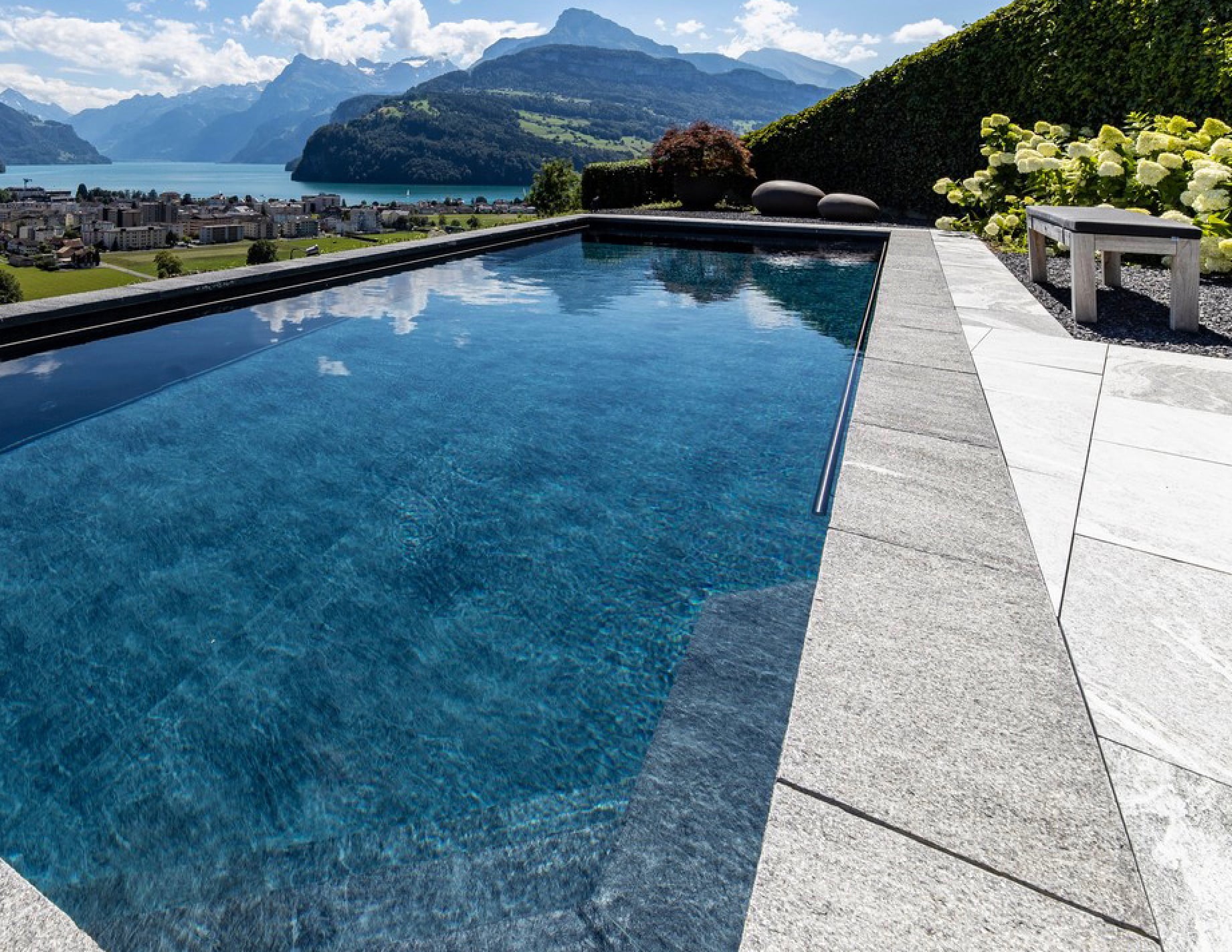
When it comes to swimming pools, waterproofing is often assumed, not engineered. Builders focus on structure. Designers focus on aesthetics. Homeowners focus on features. But few ask the most fundamental question: What’s keeping the water in the pool?
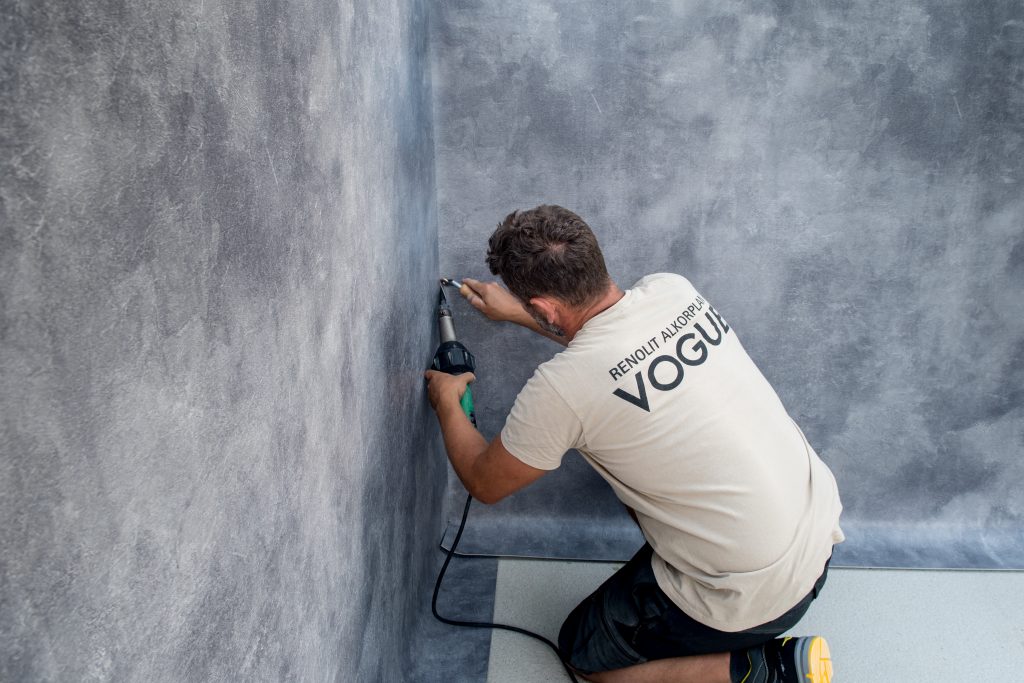
Historically, pool builders have relied on concrete, tile, plaster, or thin coatings to do the job of waterproofing. These materials may resist water for a time, but they are not designed to provide true, long-term waterproofing. However builders looking for a long-term waterproofing solution are choosing Reinforced PVC (polyvinyl chloride) membranes because they are engineered specifically for the job of waterproofing.
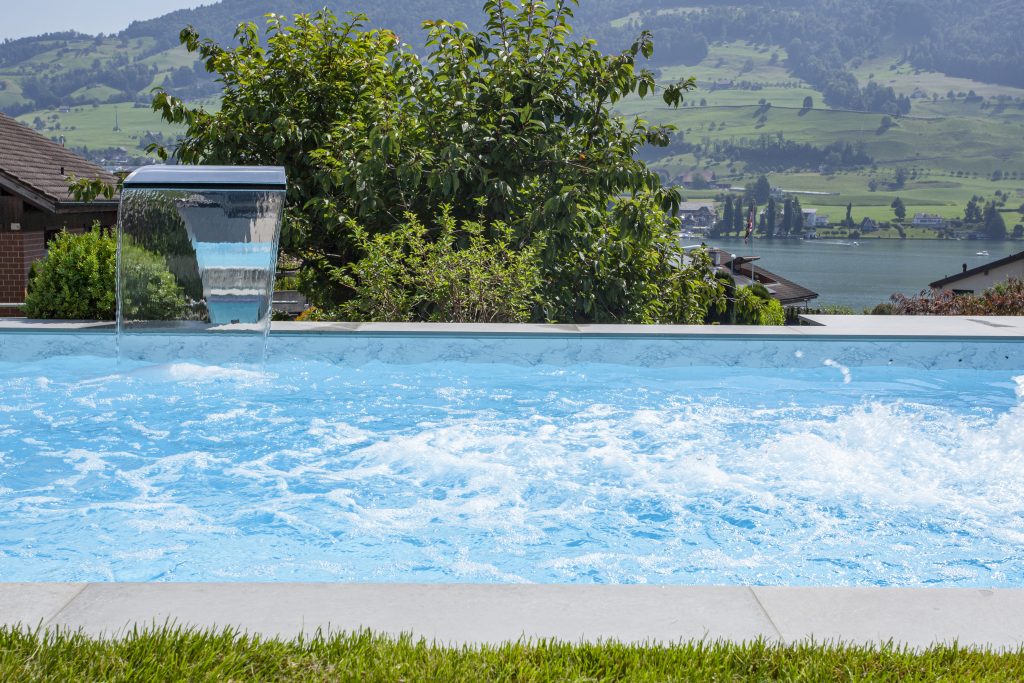
Polyvinyl chloride, commonly known as PVC, is a widely used synthetic plastic polymer. It is versatile, durable, and relatively inexpensive, making it a popular choice for various applications, especially in construction. PVC can be found in both rigid and flexible forms, depending on the addition of plasticizers. The PVC used for waterproofing swimming pools is made flexible by the use of plasticizers. PVC is known for its smooth, non-porous surface that is resistant to water, chemicals as well as UV radiation. The use of PVC is therefore ideal for outdoor construction, plumbing and waterproofing membranes.

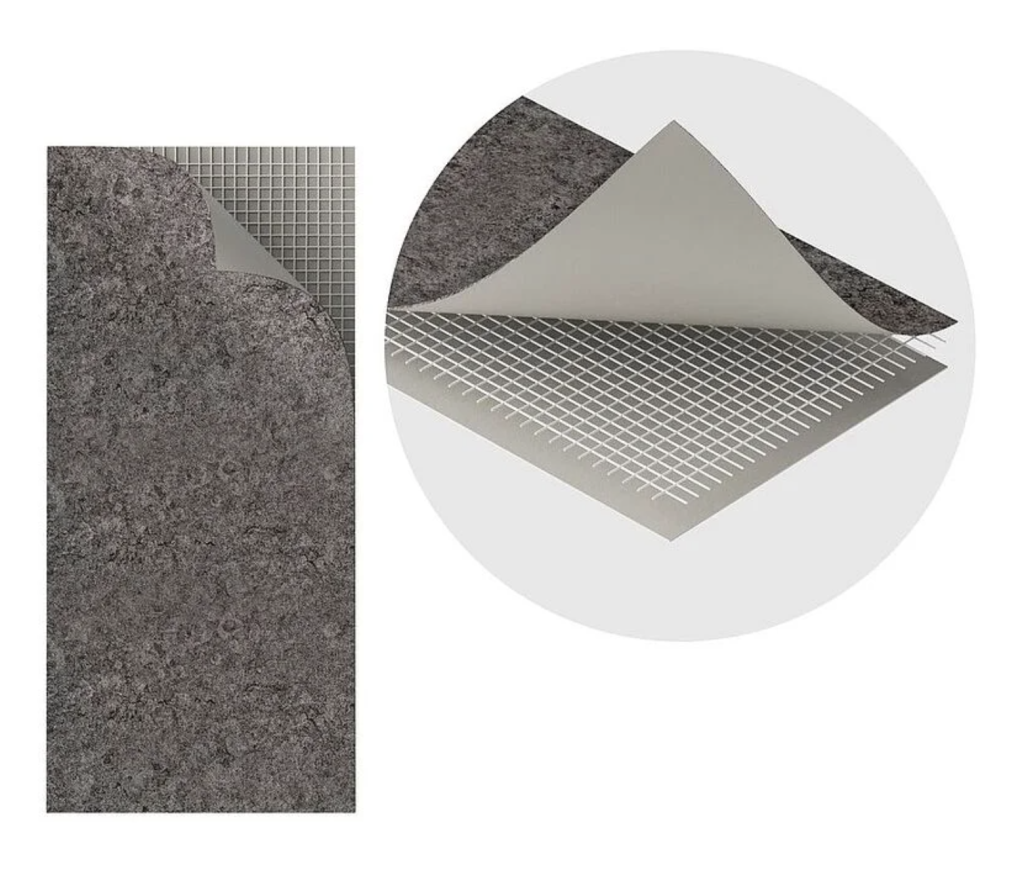
PVC liners and reinforced PVC membranes are the two main products made of PVC commonly used for swimming pool waterproofing. PVC liners are flexible sheets that provide a smooth, watertight surface ideal for residential pools due to their ease of installation and cost-effectiveness. Reinforced PVC membranes, on the other hand, consist of two sheets of vinyl that are laminated with a core of a polyester mesh to provide greater strength, durability and resistance to tearing without losing the elasticity and flexibility needed to adapt to different pool shapes and accommodate steps, tanning ledges, vanishing edge and beach entry pool designs etc. As a result, reinforced PVC membranes are ideal for high-end, larger commercial pools as well as residential pool construction and waterproofing.
Often misunderstood or lumped together with traditional, flexible vinyl liners, reinforced PVC membranes are an entirely different class of product that provides a true waterproofing solution and other benefits that meet the demands of performance and aesthetics required for building and renovating swimming pools.
Understanding the Difference: Reinforced PVC Membranes vs. Liners
It’s important to take the time to understand the differences between a reinforced PVC membrane versus a traditional, vinyl pool liner. While both use vinyl as a base material, the comparison between a reinforced PVC membrane and a vinyl liner is like comparing architectural-grade materials to decorative coverings — similar in base composition, however they are designed for very different applications and performance demands.
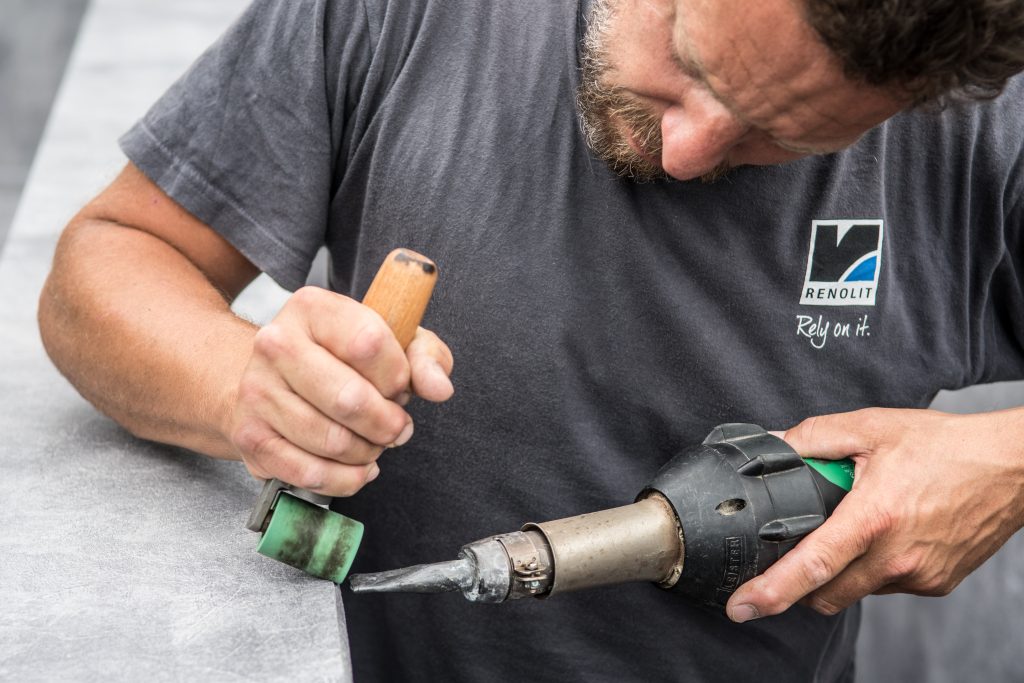
Traditional vinyl liners are made of a thinner, unsupported PVC sheet that are prefabricated to the pool shape and vacuum-formed into place. They are cost-effective and are best known for use in residential applications, especially in North America. On the other hand, reinforced PVC membranes are multi- layered systems with an internal polyester mesh, installed by certified technicians. They are welded onsite to create a seamless, robust lining with decades of durability. This product is commonly used in residential pools in Europe where it is the preferred solution for residential pool construction and waterproofing. Because of their strength, reinforced PVC membranes are frequently specified by architects and engineers for commercial pool applications, especially when waterproofing is of the utmost importance such as in elevated pools or pools with high bather loads.
The Physics of True Waterproofing
To determine the most effective pool waterproofing system, we must look at the physics of how water interacts with different materials:
Permeability: Concrete and rigid coatings are porous by nature. Over time, water will migrate through capillaries, especially under pressure.
Vapor Transmission: Even small amounts of vapor transmission can cause long-term damage behind finishes, such as blistering.
Structural Movement: Pools are dynamic structures. Ground settling, temperature expansion, and water pressure cause constant micro-movement of the pool structure.
UV and Chemical Degradation: Exposure to sunlight and pool chemicals breaks down many traditional finishes over time, compromising waterproofing integrity.
Only non-porous, flexible, and structurally independent membranes provide full waterproofing protection. Reinforced PVC membranes meet all the criteria:
- Zero permeability to liquid and vapor
- Resistance to hydrostatic and osmotic pressure
- Crack-bridging flexibility
- UV, chemical, and abrasion resistance
- No reliance on adhesives or substrate bonding
Making the Smart Choice: A Physics-Based Evaluation
Both builders and consumers should take the time to evaluate waterproofing systems for their swimming pool by asking themselves these physics-based questions:
- Is the system truly impermeable?
- Can it tolerate movement, vibration, and seasonal changes?
- Does it resist chemical and UV degradation, as well as freezing conditions?
- Can it be repaired or inspected after installation?
- Does it function independently of the concrete structure?
Reinforced PVC membranes check all the boxes — and they are backed by decades of proven use in the most demanding pool environments—from Olympic venues, hotels, resorts, water parks, high-rise elevated pools and elite residential properties.
Freeze-Thaw Resilience: A Hidden Advantage
In colder climates, swimming pools face a powerful natural stress: the freeze-thaw cycle. Water seeps into small cracks, freezes, expands, and worsens structural damage over time. Rigid coatings — including tile, plaster, or epoxy — cannot flex with this movement and often fail seasonally. Unlike other materials, reinforced PVC membranes are immune to this destructive freeze-thaw process. Their flexibility and mechanical independence from the concrete shell allow them to absorb expansion and contraction without cracking, delaminating, or weakening. This makes them ideal for pools in seasonal climates where winterization is a necessity.
Built to Move, Designed to Last
Swimming pools are not static. They expand and contract with temperature, vibrate with use, and shift subtly over time. Most finishes can’t keep up — but reinforced PVC can because they:
1/ are mechanically anchored to the shell — not bonded with adhesives that can fail
2/ bridge cracks and joints, maintaining water tightness
Additionally, reinforced PVC membranes are soft underfoot for swimmers, with optional textures for safety and aesthetics. They are also easily repairable, without the need for costly resurfacing.
It is therefore no surprise that reinforced PVC membranes are becoming the go-to specification for new construction, renovations, and commercial aquatic centers worldwide, especially since the product is offered in 60, 70 & 80mil thicknesses.
Waterproofing Is Not a Finish — It’s a Foundation
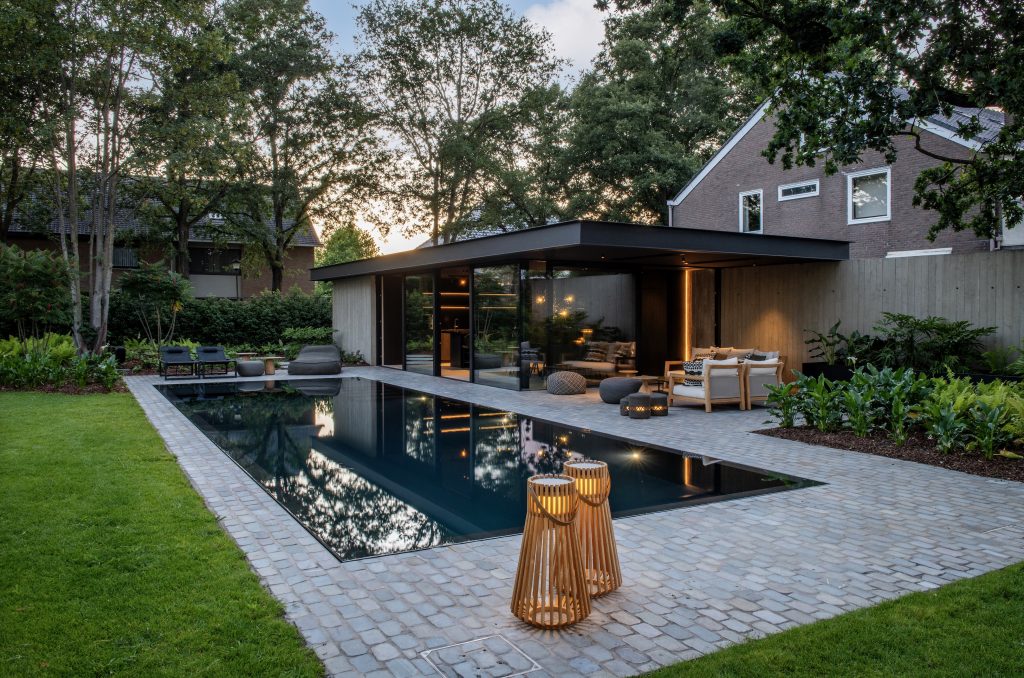
Reinforced PVC membranes are not just beautiful — they are engineered systems that deliver waterproofing as a scientific certainty, not a best guess. While other materials try to decorate or seal over a porous shell, membranes become the barrier, offering decades of reliability, even in harsh or variable environments. In today’s construction landscape, performance matters. And the physics points in one direction: reinforced PVC is the future of pool waterproofing.
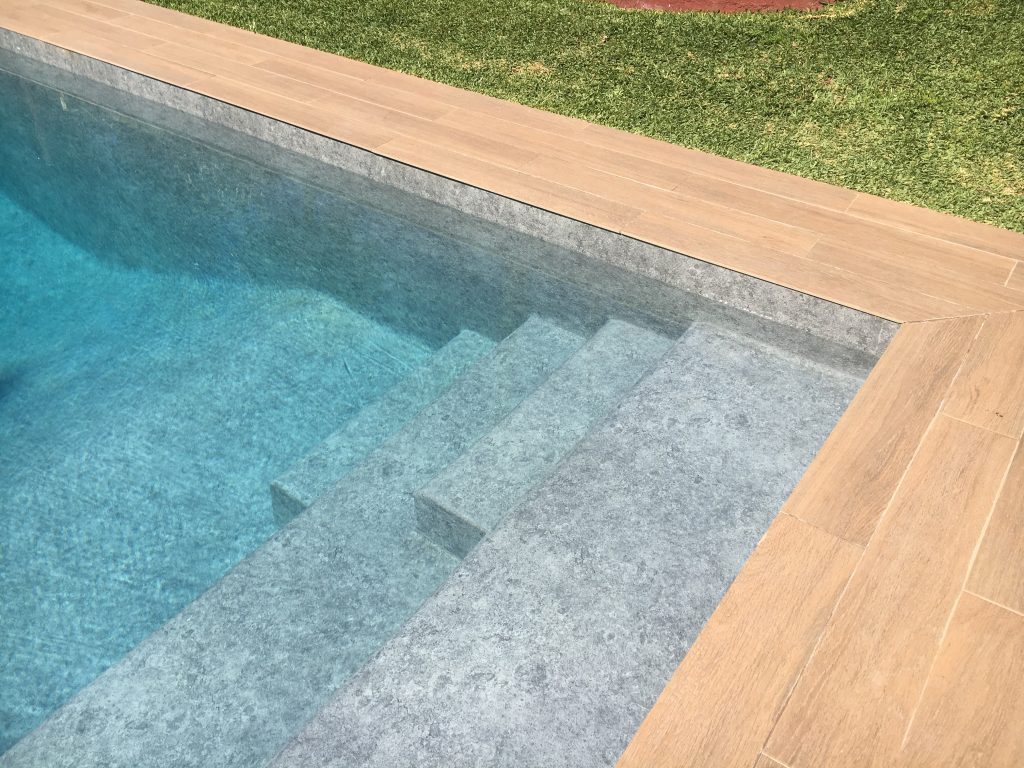
In addition to the structural solution provided by these membranes, reinforced PVC membranes are now available in a wide range of new natural stone colors and textures that make them attractive to architects, designers and consumers. In fact, when builders and consumers see the variety of finishes available in reinforced PVC membranes, they are immediately drawn to the way they enhance and blend beautifully with today’s popular decking and coping treatments.
With these new stone and marble patterns, colors, and finishes, more and more hotels, athletic facilities, and wellness spas are choosing reinforced PVC membranes because they want a more attractive look that enhances the architectural design of the facility. The RENOLIT TOUCH Vanity white marble product, for example, looks amazing for large commercial spas and soaking tubs used in wellness centres, health spas, athletic facilities, and hotels.
Final Word: Waterproof First, Then Design
Waterproofing should never be an afterthought. It should be the first technical layer of decision-making, not something hidden behind tile or assumed to come with plaster.
Reinforced PVC membranes are not just a finish — they are a complete, engineered waterproofing solution. For consumers who value longevity, and for professionals who stake their reputation on reliable construction, these membranes offer a proven, physics-based path to performance and peace of mind.





Features
Adopting Engineered, Reliable Pool Waterproofing Innovations — Why North America pool builders are shifting toward PVC membranes
If reinforced PVC membranes are such a technically sound and long-lasting waterproofing solution, the obvious question is:
Why aren’t they everywhere — especially in North America, the largest pool market in the world?
The answer lies in how American pools have traditionally been designed and built, and how that tradition has slowed the adoption of more engineered, reliable solutions — even when the performance benefits are clear.
A Legacy of Shape Over Function

One of the defining features of the North American residential pool market — especially since the 1950s — has been its love for freeform pool shapes. Curved, kidney-shaped, lagoon-style, and organically sculpted designs have dominated backyards across the U.S. for decades.
These shapes lend themselves well to gunite construction, which allows complete freedom in form and finish. But they pose a unique challenge for reinforced PVC membranes, which are supplied in rolls, custom-fitted on site by heat-welding and engineered for durability — but not extensive stretch.
Unlike flexible vinyl liners that can be vacuum-formed into irregular curves, reinforced PVC membranes are dimensionally stable and have minimal elasticity, one of the very features that makes them last so long. But that strength and rigidity also means they are best suited to smooth rectilinear shapes or pools with consistent radiuses and defined transitions.
For decades, this technical limitation restricted the adoption of reinforced membranes in a market dominated by complex, curvy pool forms — particularly in suburban residential builds.
Innovation Slow to Enter the U.S. Market

The North American pool industry has long been rooted in tried-and-true construction models that haven’t changed significantly since the 1940s. In fact, many pools built today still follow the same basic layout and methodology as the first post-war gunite pools:
Concrete shell, plumbing, plaster or tile finish — and little focus on true waterproofing as a separate function.
Meanwhile, European and other international markets, where space constraints and design culture favor cleaner, rectilinear architecture, have embraced reinforced membranes for decades. These regions have led in implementing engineered materials that decouple waterproofing from the structural shell, treating it as a specialized discipline rather than a side effect of the surface finish.
As a result, the U.S. market has largely lagged behind the evolution of reliable, low-maintenance, physics-based waterproofing methods — particularly in the residential sector.
A Building Culture Reluctant to Change — Until Now
Much like other mature industries, the North American pool market has historically been resistant to change, particularly when existing methods are familiar, profitable, and understood by local contractors. However, the tide is turning — thanks to shifting consumer expectations and a new generation of builders and homeowners.
Younger, more informed clients are beginning to ask different questions:
- “What actually makes this pool waterproof?”
- “Why do I need to replaster after a few years?”
- “What will last 20+ years without constant repairs?”
At the same time, builders are becoming more open to physics-first solutions — systems that are engineered to solve specific problems, not just following decades of precedent. That includes better understanding of water pressure, vapor migration, freeze-thaw cycles, and the chemical realities of long-term pool operation. Reinforced PVC membranes provide a waterproofing pool finish with unique benefits not provided by marbelite, stone-colored quartz finishes or thermoplastic coating. The reinforced PVC completely seals the structure of the pool and keeps it watertight, making it ideal for renovating existing pools and building new pools.
Gary Hohne, owner of Brighton Pools was born into the pool and spa industry. His father became a builder of vinyl liner pools in 1954, following the introduction of package pools construction in the industry. Hohne has been in the pool building business his entire life. “This is the only job and industry I’ve even been in,” he chuckles. Originally, his father owned Hohne Pools and more recently Hohne Jr. started a franchise of pool builders called Brighton Pools by Hohne which now has franchises in Maryland, Virginia, West Virginia, Pennsylvania, New Jersey, New York, Delaware, North Carolina, Florida and Tennessee! “Having a family swimming pool business that started 7 decades ago, I have watched the US market for swimming pools evolve over the years and I’m thrilled to have added reinforced PVC membranes to our residential pool construction options.”
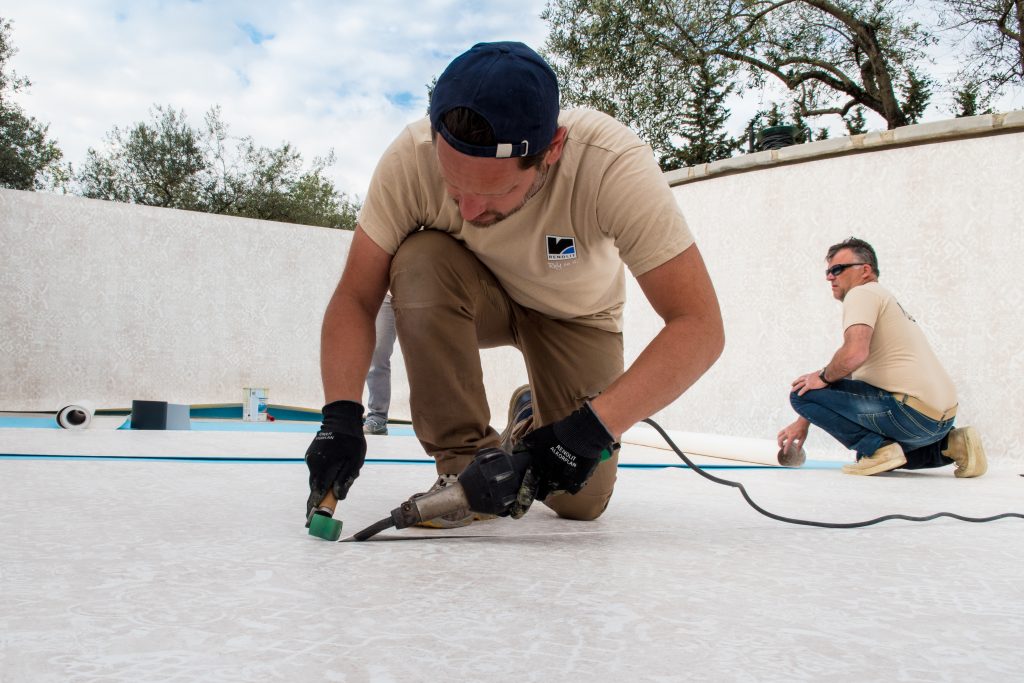
Originally Hohne got started with reinforced PVC membrane with commercial pool renovations. “The first reinforced PVC membrane pool we renovated was Constitution Park in Cumberland, Maryland. “The pool at Constitution Park was built in the 1930’s and we completely renovated this 550,000-gallon pool with reinforced PVC membrane,” explains Hohne. “Back then we only used reinforced PVC membrane in commercial applications but in the last 5 years decided to train crews to install this membrane so we can offer to waterproof both new and existing swimming pools with a finish that will last 20 years or more; there is definitely a market of consumers who don’t want to have to repaint, replaster or change their pool liner out in 10 years to less—for them, this product is the ideal solution,” says Hohne.
Brighton Pools sees that reinforced PVC membrane is a waterproofing pool finish that works for both new pool constructions as well as renovation. “Consumers are savvy and many of them would prefer not to have to replace their vinyl pool liner every 10 years or need to replaster or re-paint their pool,” says Hohne. “These consumers are willing to pay more for a reinforced PVC membrane that will last more than 20 + years and we realized this and decided that we wanted to start offering reinforced PVC for residential pools and it has been highly successful.” One of the other reasons that Hohne’s company decided to add reinforced PVC to his offering is that it is the ideal solution for renovating all types of pools. Not only for repair and renovation but also as a complete waterproofing solution. “Whether we get a call to renovate a deteriorated gunite pool, or a plaster finish pool or a traditional vinyl liner, we offer reinforced PVC membrane because we know the reinforced PVC membrane will provide a complete waterproofing solution,” says Hohne. “We also know that these pool owners are likely looking for a long-term solution and are willing to pay for a reinforced membrane so they don’t need to deal with cracked or crumbling pool walls, peeling paint, falling tiles etc.” In fact, Hohne says that every quote they provide always includes a line for reinforced PVC membrane as an option because so many people are now opting for this more permanent solution. Hohne is continuing to expand franchise operations throughout the country and he knows that reinforced PVC membranes are an important part of the company’s growth. “As more and more people are trained to install reinforced PVC membranes, the more we will see reinforced PVC membranes catching up to their level of popularity in Europe.”
Design Trends Are Catching Up to the Material
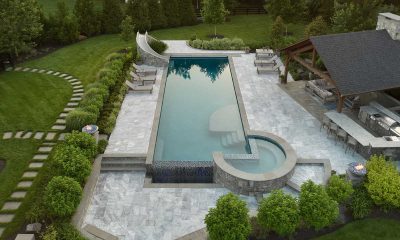
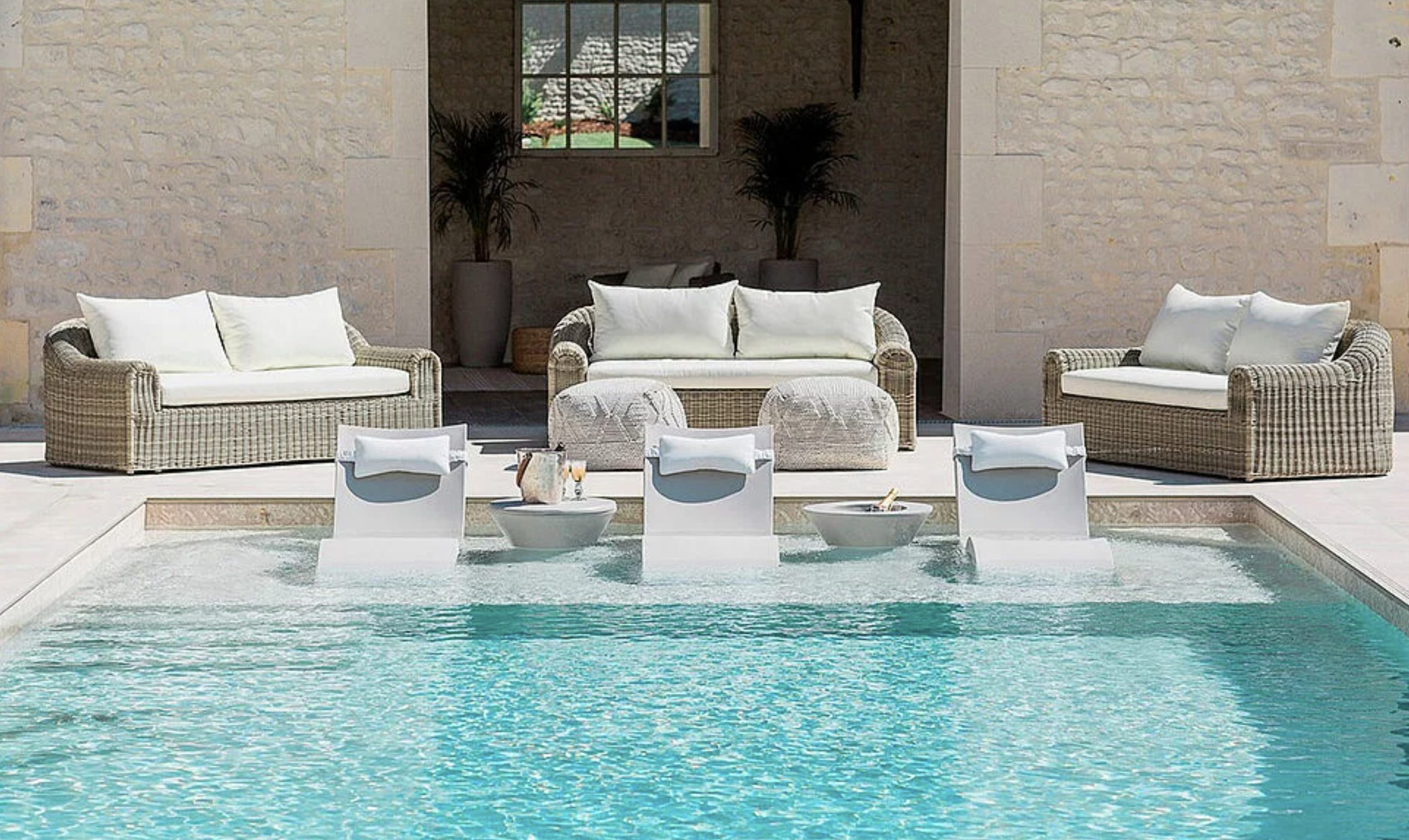
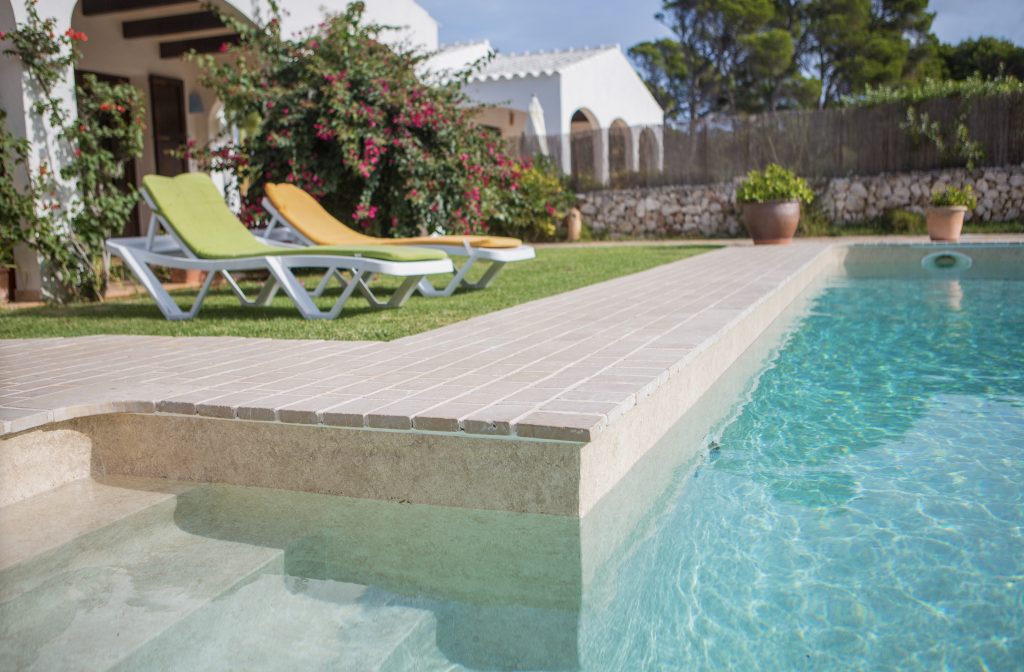
Importantly, pool design itself is changing. Modern residential pools in North America —particularly in architecturally progressive markets like Miami, Austin, and Los Angeles — are starting to follow European-influenced trends: minimalism, linear geometry, clean edges, and symmetry.
These modern forms are ideally suited for reinforced PVC membranes, which are easier to fabricate and install in rectilinear or predictable geometries. As more homeowners seek out elegant, modern pools with lower maintenance, the case for reinforced PVC membranes becomes even more compelling.
For example, Plunge pools are a category of pool that has grown exponentially in recent years. And because of their shape and size, they lend themselves perfectly to reinforced PVC membrane. Bob Hobaica, owner of Plunge+ pools (part of Easton Select Group) honed-in on reinforced PVC as a superior, waterproofing interior for their plunge pool. “I had read several articles about reinforced PVC for use in pools over the past few years and talked to installers who actively use this finish in commercial pools,” explains Hobaica. “So when RENOLIT approached me, I was receptive to learning if this waterproofing pool interior solution would work for the Plunge+ pool.” Now Plunge+ pools are constructed using reinforced PVC membrane as its method of waterproofing and finishing the pool. “RENOLIT initially came out and trained our construction crew on how to install reinforced PVC,” explains Hobaica. “There is a bit of a learning curve to the installation. However, we were all super impressed with the durability and practicality of the product, not to mention that the company’s new TOUCH textures and colors are very attractive to consumers.”
In short: the market is finally catching up to the material.
Looking Forward: A Bright Future for Reinforced PVC in North America
The next decade will likely see a major shift in how North American pools are waterproofed and finished. The demand for durable, low-maintenance, and high-performance materials is rising. The industry’s younger generation is more open to physics-driven construction. And modern pool shapes are opening the door for solutions that weren’t viable in decades past.
Reinforced PVC membranes — with their 40+ years of proven performance across Europe, commercial installations, and high-end projects — are finally finding their place in the North American residential market.
As the focus moves from simply building pools to engineering them properly, reinforced membranes are not just an option — they’re part of the future.

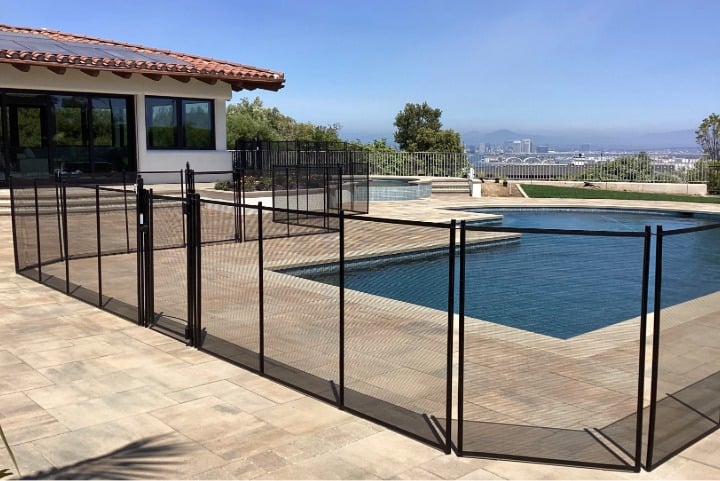
Poolsafe LLC, offers new mesh, removable safety fencing designed to be installed around any pool shape or size. Uses patented, transparent, large-hole ClearGuard™ Mesh for better visibility into the pool area, while also blending the fence into backyard. Lockable, self-closing Triton™ gate features a curved top bar to help prevent climbing. Unique Tri-Pod Truss system keeps gate aligned with daily usage. Available in 4ft and 5ft heights, in black, brown, beige, or gray colors.
https://poolsafe.com/
(888) 489-2282

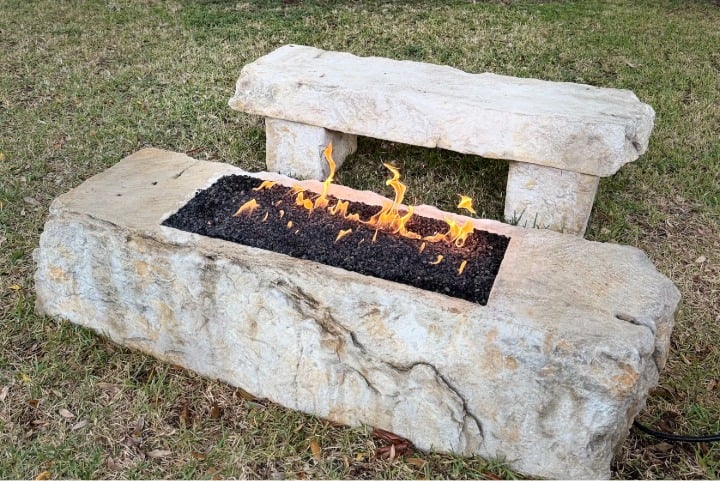
The newest addition to the Temple Stone series, this new firepit is made of attractive and safe pre-cast lightweight concrete that matches the latest in outdoor living décor. Roughly 18”-inches high, 76” long and 23” wide, the Temple Stone firepit makes it easy to create a gathering space in any backyard. Hooks up to standard propane tanks. Shown in limestone color. Made in USA and available for immediate shipment.
www.ricorock.com or call (888) 717-3100.




Download the NEW Pool Magazine App
 Sponsored Advertisement
 AquatiCare™: Proactive Pool Maintenance You Can Count On
 RB Retail & Service Solutions adds DocuSign to Software
 BSquared offers New Free Standing Sunledge
 Family Leisure Announces Exclusive Retail Partnership with Jacuzzi
  Blue Wave Recall on Over 13,000 Above Ground Pools
 Tile Heritage Foundation embraces FOUR NEW BOARD MEMBERS joining the current Board of Directors!
 Coverings 2026 Previews Conference Education Ahead of Las Vegas Show
 Spa Linked As Cause of Legionnaires’ Outbreak That Killed Two
 Jake Paul Buys $15.7M Mansion With Luxury Pool In Puerto Rico
 How To Keep Your Pool Renovation From Turning Into a Disaster
 BioGuard Taps Rullo for Sales
 Warning Signs of a Worn-out Pool
 Aquatic Leisure Technologies Announces New Manufacturing Facility in Alabama
 Smugglers Use Swimming Pool To Transport Illegal Immigrants

 Sponsored Advertisement
-
 Pool News2 weeks ago
Blue Wave Recall on Over 13,000 Above Ground Pools
-

 Industry News4 weeks ago
Latham Group Appoints Sean Gadd as Chief Executive Officer
-

 News3 weeks ago
Built on Relationships: Pentair Pool’s New Sales Structure and the People Who Make It Work
-

 Pool Service News3 weeks ago
Easton Select Group Adds Harrison Pool & Spa, Expanding Service Across MetroWest Boston
-
 Press Releases4 weeks ago
FSPA Wins Big at Florida Building Commission
-

 News4 weeks ago
Aquadei Technologies Announces Strategic Alliance with the Master Pool Guild
-
 Features4 weeks ago
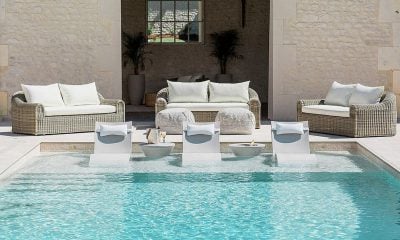
Adopting Engineered, Reliable Pool Waterproofing Innovations — Why North America pool builders are shifting toward PVC membranes
-

 Manufacturer4 weeks ago
RicoRock® Offers New Temple Stone Firepit
Till I first looked at the document which was of 8430 dollars, (z17) I accept that my friend’s brother was like really earning cash in his free time with his pc. T5 Her aunt’s neighbor has been doing this for 10 months and by now repaid the loan on their house and purchased a new Car .
Get started today… h0mepr041.blogspot.com/
Till I first looked at the document which was of 8430 dollars, (z17) I accept that my friend’s brother was like really earning cash in his free time with his pc. T5 Her aunt’s neighbor has been doing this for 10 months and by now repaid the loan on their house and purchased a new Car .
Get started today… h0mepr041.blogspot.com/