


Pool Maintenance
Why Swimming in a Green Pool Just Isn’t Safe


Maintaining a pool can be a tricky business, and this is especially true for above-ground pools. More often than not, these pools come with substandard equipment that barely scratches the surface when it comes to filtration and circulation. It’s no wonder many above-ground pool owners end up with a green pool at some point during the swimming season. As we dive deeper into the dog days of summer, the temptation to take a dip in a green pool, if only to escape the relentless heat, becomes almost irresistible. But before you inflate that lounger, it’s essential to understand the dangers lurking in those murky waters.
The Challenge of Pool Maintenance
Above-ground pools are popular for their affordability and ease of installation, but they often come with a significant downside: inadequate filtration systems. These pools usually include pumps and filters that are underpowered for the volume of water they need to clean. Consequently, debris, algae, and bacteria can accumulate quickly, especially during periods of heavy use or extreme weather conditions.
Why Pools Turn Green
The green hue in a pool is primarily caused by algae growth. Algae thrive in warm, stagnant water with insufficient chlorine levels. When your pool’s filtration system can’t keep up with the debris and contaminants entering the water, algae can bloom rapidly. Factors contributing to algae growth include:

- Poor Circulation: Without proper water circulation, chlorine and other sanitizing agents can’t distribute evenly throughout the pool, creating pockets where algae can flourish.
- Low Chlorine Levels: Chlorine is the primary chemical used to keep pools clean. When levels drop too low, algae and bacteria can multiply unchecked.
- High pH Levels: If the pool’s pH is too high, chlorine becomes less effective at killing algae and bacteria.
- Debris: Leaves, dirt, and other organic materials provide nutrients for algae. If these aren’t removed promptly, they can contribute to a green pool.
The Dangers of Swimming in a Green Pool
A green pool is not just an eyesore; it’s a health hazard. The green hue is typically caused by algae, which can turn your pool into a breeding ground for bacteria and other harmful microorganisms. Swimming in such an environment can expose you to a host of potential health issues.
Common Illnesses from Green Pools
- Recreational Water Illnesses (RWIs): These are illnesses caused by germs spread by swallowing, breathing in mist, or having contact with contaminated water. RWIs can include a variety of infections, such as gastrointestinal, skin, ear, respiratory, eye, and wound infections.
- E. coli: This bacteria is often found in green pools due to fecal contamination. Ingesting water with E. coli can lead to severe stomach cramps, diarrhea (often bloody), and vomiting.
- Cryptosporidium: Commonly known as “Crypto,” this parasite is highly resistant to chlorine and can survive for days even in well-maintained pools. Symptoms of Crypto infection include stomach cramps, dehydration, nausea, vomiting, fever, and weight loss.
- Giardia: This parasite causes giardiasis, an intestinal infection that leads to diarrhea, gas, stomach cramps, nausea, and dehydration. Giardia is highly contagious and can spread through contaminated water.
- Legionella: This bacteria can cause Legionnaires’ disease, a severe form of pneumonia, and Pontiac fever, a milder illness resembling the flu. Both conditions can be serious, especially for individuals with weakened immune systems.
The Risks of Floating in a Green Pool
You might think that simply floating in a green pool is safer than swimming, but this is a misconception. While you’re not actively ingesting water, you’re still coming into contact with contaminated water, which can enter your body through your nose, eyes, ears, or any cuts or abrasions on your skin. Even inhaling the mist from a green pool can pose health risks.
More About Recreational Water Illnesses
RWIs are primarily caused by pathogens such as bacteria, viruses, and parasites found in contaminated water. Some common RWIs include:
Shigella: This bacteria can cause severe diarrhea, fever, and stomach cramps.
Norovirus: Known for causing stomach flu, norovirus can lead to nausea, vomiting, diarrhea, and stomach pain.
Pseudomonas aeruginosa: This bacteria can cause skin rashes, ear infections, and eye infections.
The symptoms of these illnesses can range from mild to severe and can be particularly dangerous for young children, the elderly, and individuals with compromised immune systems.
Environmental and Chemical Considerations
Besides the biological hazards, green pools often have poor chemical balances that can cause additional health issues. High pH levels can lead to skin and eye irritation, while low chlorine levels allow harmful microorganisms to thrive. Algae can also release toxins that may cause skin rashes and respiratory issues when inhaled.
Impact on Pool Equipment
Allowing your pool to remain green can also damage your pool equipment. Algae can clog filters, strain pumps, and reduce the efficiency of your filtration system. Over time, this can lead to costly repairs or replacements.
The Temptation to Swim
It’s easy to understand why someone might be tempted to swim in a green pool during a heatwave. The prospect of cooling off can be overwhelmingly appealing. However, the potential health risks far outweigh the temporary relief from the heat.
What To Do When Faced with a Green Pool
If you find yourself confronted with a green pool, the safest course of action is to avoid swimming altogether. Instead, take the following steps:
Immediate Actions
- Shock the Pool: This involves adding a large dose of chlorine or other pool shock treatment to kill off algae and bacteria. Follow the manufacturer’s instructions and keep the pool off-limits until chlorine levels return to safe levels.
- Brush and Vacuum: Physically remove as much algae as possible by brushing the walls and floor of the pool and vacuuming up the debris.
- Clean the Filter: Algae and debris can clog your filter quickly. Clean or backwash your filter regularly during the treatment process.
Long-Term Solutions
- Upgrade Your Equipment: Consider investing in a more powerful pump and filter system designed for your pool’s size. This will improve circulation and filtration, reducing the likelihood of future algae blooms.
- Regular Maintenance: Keep a consistent pool maintenance schedule, including regular water testing, chemical balancing, and cleaning. This proactive approach can prevent minor issues from becoming major problems.
- Professional Help: If you’re not confident in handling the situation yourself, a pool service technician can diagnose and treat the problem for you.
Swimming Pools Differ From Natural Bodies of Water
One might wonder how swimming in a dirty pool differs from swimming in any natural body of water like a river, pond, or ocean. While both scenarios can pose health risks, the sources and types of contaminants, as well as the natural filtration processes, vary significantly.
Natural Filtration in Rivers, Oceans, and Ponds
Natural bodies of water are dynamic, self-sustaining ecosystems with built-in filtration processes:
- Rivers: Rivers are flowing bodies of water, constantly moving and mixing. This flow helps to disperse contaminants, reducing their concentration. Additionally, the presence of aquatic plants and microbial life helps to naturally filter out impurities.
- Oceans: Oceans have vast volumes of water and strong currents that help dilute and disperse contaminants. Marine life and natural processes, such as tidal movements and wave action, contribute to the ocean’s ability to cleanse itself.
- Ponds: Although ponds are more stagnant than rivers and oceans, they still benefit from natural filtration. Aquatic plants, algae, and microorganisms play a crucial role in breaking down organic matter and maintaining water quality.
These natural filtration processes significantly reduce the concentration of harmful pathogens and chemicals, making natural bodies of water less likely to pose immediate health risks compared to a neglected, stagnant pool.
While swimming or floating in a green pool and a natural body of water both carry health risks, the differences are notable. Pools, being controlled environments, require consistent maintenance to prevent the buildup of harmful microorganisms and chemical imbalances. In contrast, rivers, oceans, and ponds benefit from natural biofiltration processes that help to mitigate the accumulation of contaminants.
Natural bodies of water are dynamic ecosystems that can filter out many impurities through biological and physical processes, thereby reducing the risk of illness. However, they are not entirely risk-free and can still be affected by pollution and wildlife.
Ultimately, if your pool has turned green, take immediate action to rectify the situation. Whether through diligent self-maintenance or by calling in a professional, ensure that your pool remains a safe and enjoyable retreat throughout the summer. Prioritize your health and safety by avoiding the temptation to swim in a dirty pool, and take the necessary steps to restore its cleanliness and balance.
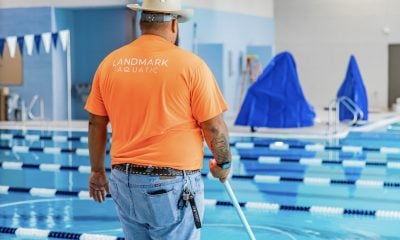





For many pool owners, the decision to maintain a swimming pool themselves feels logical. After all, how hard can it be to skim leaves, test water, and add chemicals? On the surface, DIY maintenance appears cheaper, especially when compared to a monthly service bill. But the cost of pool ownership isn’t a month-to-month expense. It’s a long-term financial commitment that plays out over years, sometimes decades. When evaluated over the full lifespan of a pool and its equipment, the lowest apparent short-term cost is rarely the lowest total cost.
Professional pool maintenance doesn’t eliminate expenses. What it does is reduce the frequency, severity, and cost of preventable failures. And over time, that difference compounds.
Lifetime ownership cost is driven by failures, not weekly chores
Most pool owners underestimate how much of their total ownership cost comes from rare but expensive events rather than routine upkeep. These include:

• Premature equipment failure
• Severe water quality incidents
• Surface damage caused by chemistry imbalance
• Emergency repairs and after-hours service calls
• Extended downtime where the pool is unusable
Weekly service fees are predictable. Failures are not. And unpredictable expenses are almost always more expensive.
Professional maintenance reduces the probability of these events, which is why the lifetime cost curve often favors professional service even when the monthly line item looks higher.
Chemical overdosing: the most common and most expensive DIY mistake
One of the most overlooked cost drivers in DIY pool care is chemical overdosing. It happens quietly and frequently.
When homeowners don’t test consistently, misunderstand test results, or attempt to “fix everything at once,” they often add far more chemicals than the pool actually needs. This creates a cascade of secondary problems that are far more expensive than the chemicals themselves.
Overdosing commonly leads to:
• Accelerated corrosion of metal components
• Scaling inside heaters and salt cells
• Etching or roughening of plaster surfaces
• Bleaching or discoloration of finishes
• Increased chemical demand that never stabilizes
In many cases, the owner believes the pool is “hard to maintain” when in reality the water has been chemically abused into instability.
Professional service technicians are trained to dose incrementally, watch trends, and allow chemistry to settle before adding more product. That restraint alone can save thousands of dollars in surface and equipment life over time.
Small problems become expensive when they are not seen early
Pools rarely fail catastrophically without warning. Most expensive repairs start as small, inexpensive problems that go unnoticed or are dismissed.
Examples include:
• A slow drip at a pump seal
• Slightly elevated filter pressure
• Air bubbles forming in the pump basket
• Gradual loss of chlorine demand control
• Minor staining beginning on steps or benches
Homeowners often don’t see these issues until the pool stops working. A professional technician, by contrast, sees dozens or hundreds of pools and recognizes abnormal conditions early.
Catching a failing pump seal early may mean a modest repair. Ignoring it may mean water intrusion into the motor and full pump replacement. The difference is not theoretical — it’s a common outcome.
Equipment damage from improper operation and maintenance
Pool equipment is designed to operate within specific parameters. When those parameters are ignored, lifespan shortens dramatically.
DIY maintenance often unintentionally creates damaging conditions, including:
• Running pumps with restricted flow due to dirty filters or clogged baskets
• Allowing heaters to fire under low-flow or scaled conditions
• Running salt systems in improperly balanced water
• Operating variable-speed pumps at inefficient or harmful RPM ranges
Each of these shortens equipment life without creating an obvious immediate failure. The owner only sees the cost years later when equipment fails prematurely.
Professional maintenance keeps systems operating in their intended range, which directly impacts how long expensive components last.
Repairs, warranties, and the hidden cost of doing it yourself
This deserves its own discussion because it is one of the most financially misunderstood areas of pool ownership.
Many pool equipment manufacturers include language in their warranties that limits coverage when:
• Repairs are performed by unqualified individuals
• Equipment is installed or modified incorrectly
• Damage results from improper water chemistry
• Required maintenance is not documented
When homeowners attempt their own repairs, even well-intentioned ones, they risk voiding remaining warranty coverage. That risk is invisible until the day a major component fails and the claim is denied.
Professional service companies not only understand warranty requirements, they often provide documentation that supports claims if a failure occurs. That documentation has real financial value when dealing with high-ticket items like heaters, automation systems, and variable-speed pumps.
Additionally, DIY repairs often lead to secondary damage. A poorly sealed union or misaligned gasket may work temporarily, only to fail later and cause water damage to motors or electrical components.
Downtime has a real cost, even if it isn’t on a receipt
One of the least discussed costs of DIY maintenance is lost pool availability.
When something goes wrong under DIY care, pools tend to stay down longer. Homeowners troubleshoot, research, order parts, wait for delivery, and schedule time to attempt repairs. During that period, the pool is often unusable.
Professional service reduces downtime by:
• Identifying issues before failure
• Carrying common replacement parts
• Having supplier relationships for rapid sourcing
• Knowing when a problem requires escalation versus adjustment
If a pool is unusable for weeks during peak season, the owner has effectively paid for an asset they couldn’t use. While this cost doesn’t show up as a line item, it matters — especially for families who installed a pool specifically for lifestyle value.
Water waste and chemical waste add up over time
Improper maintenance leads to unnecessary draining, dilution, and excessive backwashing. Each of these carries both water and chemical costs.
DIY pools are more likely to be drained or heavily diluted to “reset” chemistry after problems spiral. Professional maintenance aims to keep water stable indefinitely, avoiding those resets whenever possible.
Over years of ownership, the cumulative cost of wasted water, salt, stabilizer, and chemicals can be substantial, particularly in regions with high water costs or usage restrictions.
Professional maintenance creates cost predictability
Perhaps the most overlooked benefit of professional pool service is predictability.
With professional maintenance, owners trade volatile, surprise expenses for a known monthly cost. Over time, that predictability often results in lower total spend because catastrophic failures and emergency fixes are less frequent.
Predictability also prevents panic spending — the tendency to throw money at products, gadgets, or drastic actions when frustration sets in.
The long view favors prevention
DIY pool maintenance can work, especially for technically inclined owners who are consistent, disciplined, and available year-round. But most pool owners are not operating at that level indefinitely.
Over the lifetime of a pool, professional maintenance reduces:
• Equipment replacement frequency
• Surface damage risk
• Chemical overuse
• Emergency repair costs
• Warranty disputes
• Extended downtime
Those reductions compound year after year.
When evaluated honestly over 10, 15, or 20 years, professional pool maintenance is often not an added expense at all — it is a cost-control strategy that protects one of the most expensive features of a home.
Modeled Cost Comparison: DIY Pool Care vs Professional Pool Maintenance
10-Year Residential Inground Pool Ownership (Industry-Based Estimates)
| Category | DIY Pool Owner | Professional Pool Service |
|---|---|---|
| Average annual chemical spend | $900–$1,400 | $500–$800 |
| 10-year chemical spend | $9,000–$14,000 | $5,000–$8,000 |
| Chemical overdosing / reset events | Common | Rare |
| Estimated water replacement (10 yrs) | 120,000–250,000 gallons | 40,000–80,000 gallons |
| Water & dilution cost (10 yrs) | $1,200–$3,000 | $400–$1,000 |
| Pump & motor replacements (10 yrs) | 1.3–1.6 events | 0.6–0.9 events |
| Pump/motor spend (10 yrs) | $3,500–$6,000 | $1,800–$3,500 |
| Heater repairs or early replacement | 1 major event likely | Often avoided or delayed |
| Heater-related spend (10 yrs) | $2,000–$4,500 | $500–$1,500 |
| Filter damage / premature media replacement | Common | Rare |
| Filter-related spend (10 yrs) | $1,200–$2,500 | $600–$1,200 |
| Surface damage risk (plaster/pebble) | Moderate to high | Low |
| Surface remediation allowance (10 yrs) | $2,000–$5,000 | $0–$1,000 |
| Average major repair events | 2–4 | 0–1 |
| Warranty claim denials | Common | Rare |
| Days pool non-operational per swim season | 10–25 days | 1–5 days |
| Emergency service calls | Frequent | Rare |
| Professional service fees (10 yrs) | $0 | $12,000–$18,000 |
10-Year Ownership Cost Summary (Modeled)
| DIY Pool Owner | Professional Pool Service | |
|---|---|---|
| Total estimated 10-year spend | $22,900–$41,000 | $20,800–$35,200 |
| Cost volatility | High (unpredictable spikes) | Low (predictable monthly spend) |
| Risk of catastrophic expense | High | Low |
At first glance, the DIY column appears cheaper because it excludes a monthly service fee, but the cost summary at the bottom tells a different story when viewed over a 10-year ownership period. DIY pool owners typically spend more on chemicals due to overdosing, corrective treatments, and occasional drain-and-refill events, while also facing higher water costs and more frequent equipment failures. Those failures — pumps, heaters, filters, and seals — account for the largest cost swings in the table and are far more common when small issues go unnoticed or water chemistry drifts out of range.
By contrast, professionally maintained pools show lower equipment replacement rates, fewer major repair events, reduced downtime during swim season, and significantly less cost volatility. When all categories are combined, professional maintenance shifts pool ownership from an unpredictable, failure-driven expense model to a more controlled and predictable one — often resulting in a lower or comparable total cost over time, with far less risk and disruption.
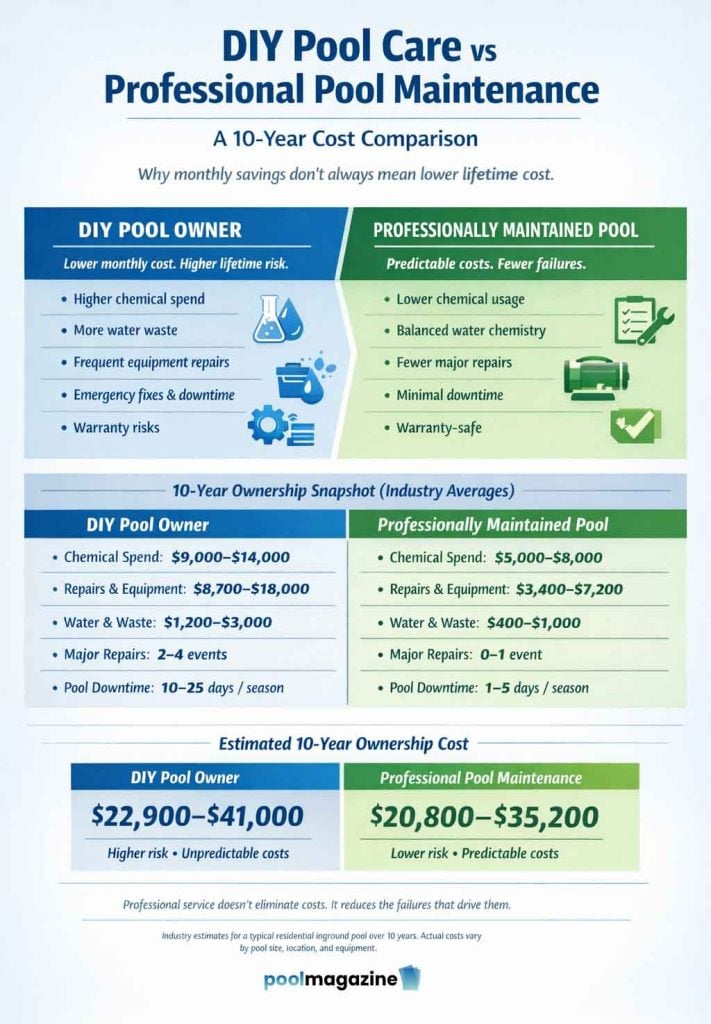
These figures represent conservative, industry-based estimates for a typical residential inground pool over a 10-year ownership period. Actual costs vary based on pool size, climate, equipment selection, water rates, and usage patterns. The comparison reflects cumulative ownership trends rather than short-term monthly expenses.
Lifetime Ownership Cost Summary (Modeled)
| Category | DIY Pool Owner | Professional Pool Service |
|---|---|---|
| Estimated Over 10-Years | $22,900 – $41,000 | $20,800 – $35,200 |
| Estimated Over 15-Years | $34,500 – $61,500 | $30,500 – $52,500 |
| Estimated Over 20-Years | $46,000 – $82,000 | $40,000 – $70,000 |
| Cost Volatility | High (unpredictable spikes) | Low (predictable monthly spend) |
| Risk of Catastrophic Expense | High | Low |
Most pool ownership cost comparisons that pertain to maintenance focus on a single year or a monthly service bill. But pools are long-life assets, and their true cost only becomes clear over time. Pumps, heaters, filters, surfaces, and plumbing do not fail on a monthly schedule — they fail based on accumulated wear, chemistry drift, and delayed intervention. Looking at pool ownership through a 10-, 15-, and 20-year lens reveals how small maintenance differences compound into very different long-term cost outcomes.
Independent Cost Studies and Industry Benchmarks
Most consumer-facing pool cost studies focus narrowly on routine annual maintenance — chemicals, basic cleaning, and scheduled service visits. These studies are useful for establishing baseline expectations, but they frequently avoid modeling long-term ownership risk. It’s important to know that these figures generally reflect idealized, short-term conditions and assume consistent chemistry management, timely intervention, and minimal corrective events.
What these sources do not attempt to quantify is how often real-world pool ownership deviates from those assumptions — particularly under DIY care. Chemical overdosing, delayed repairs, unnoticed equipment stress, water replacement events, and warranty exclusions are typically treated as outliers rather than modeled realities.
The analysis presented here does not dispute other popular baseline maintenance figures. Instead, it builds on them by examining how small deviations from ideal maintenance compound into higher total ownership costs over time, which is where the largest financial differences between DIY and professional care emerge.
Readers interested in reviewing those baseline maintenance statistics can reference popular national cost guides, which provide a useful snapshot of routine annual maintenance costs, but may not discuss the full lifetime cost of ownership as it pertains to maintenance and repairs.
Reference:
• Homeguide – How Much Does It Cost To Own & Maintain a Swimming Pool
• Angi – How Much Does Pool Maintenance Cost
• HomeAdvisor – How Much Does Pool Maintenance Cost in 2025?


DuraChlor Chemicals for Pool Professionals
GRAND RAPIDS, MI (September 22, 2025) — DuraChlor has updated its packaging and product offering to support pool and spa professionals. A proven choice for pool service professionals for over 55 years, Durachlor now offers everything from stain removers, algaecides, and disinfectants to shock, winterizing products and specialty pool and spa water treatment solutions. DuraChlor offers dependable solutions that are blended and packaged in the USA.
Durachlor products are a part of the Haviland family of pool and spa products which is 100% employee-owned company. Available through all major distribution channels.

Learn more at: www.durachlorpool.com or call 1-800 333-0400.
About Haviland
Haviland helps organizations around the world thrive by formulating and manufacturing chemistries to solve everyday challenges. With a focus on safety and environmental quality, our employee-owners understand that our success begins with our customers. Employee owned and operated, we have built a culture focused on the needs of our customers today while creatively solving the challenges of tomorrow.
Haviland’s Pool and Spa division started in 1968 in Grand Rapids, Michigan. We were one of the earliest pool chemical pioneers ushering in most treatments on the market today. With over 100 different product offerings and eight in-house brands, Haviland continues to go above and beyond to meet our customer’s demand.


In the world of high-tech pool maintenance, the Dreame Z1 Pro is a serious contender for the best mid-range robotic pool cleaner of 2025. With next-level automation, a sleek app interface, and standout design features like self-lifting retrieval and horizontal waterline cleaning, it raises the bar for what homeowners should expect from a cordless robotic pool vacuum at the mid-range price point.
But in a field crowded with other strong players, how does the Z1 Pro stack up? After diving into its features and comparing it side-by-side with its closest rivals, it’s clear that Dreame isn’t just playing catch-up when it comes to resonating with consumers or with what’s under the hood.
🚀 Key Features of the Dreame Z1 Pro
- Cordless design – No cables or external power supplies to worry about
- 8,000 GPH suction – One of the most powerful in its class
- SmartPath™ AI navigation – Real-time mapping and efficient cleaning patterns
- 180-minute battery life – Ideal for pools up to 2,150 sq. ft.
- Horizontal waterline scrubbing – Targets stubborn tileline buildup
- Auto-lift retrieval – Surfaces automatically when the job is done
- Top-load filter – Hinged bottom design makes debris dumping easy
- Magnetic charger – Simplified, durable, watertight charging
- Dreame App – Real-time map, scheduling, and remote control features

🕹️ Hands-On Remote Control – Manage and Navigate with Ease.
- 📍 Spot Cleaning Mode
Instantly target a specific area with focused suction and scrubbing. - 🚗 Auto Poolside Parking
When cleaning is finished, the Z1 Pro returns to the pool wall and surfaces automatically for easy retrieval. - 🎮 Manual Joystick Control
Take full control of the robot using the included remote for precision navigation. - 🔁 Task Resume
Resume cleaning exactly where it left off after interruption or recharge

🧠 What Makes the Z1 Pro Unique?
1. AI-Driven Mapping & App Control
While most cleaners navigate blindly or in preset patterns, the Z1 Pro creates a visual map of your pool, visible directly in the Dreame app. This is a huge leap forward in usability—especially compared to more basic apps offered by competitors.

With the app, you can:
- Watch it clean in real-time
- Schedule cleanings
- View historical performance
- Trigger retrieval to the pool edge
2. Waterline Cleaning That’s Actually Effective
The Z1 Pro’s horizontal waterline scrubbing capability helps eliminate the stubborn gunk that clings to tile lines—where many other robots fail or barely reach. It doesn’t just crawl up the wall—it works the waterline.
3. Hands-Off Charging & Retrieval
A magnetic charging dock means you don’t mess with rubber seals or plugs. When the job’s done, the Z1 Pro ascends to the surface and stays there for easy pickup. This is a major win over other mid-range cleaners, which need to be fished out manually.
4. Top-Access Filter System
The large, easy-to-clean filter basket is top-loading with a hinged bottom for debris disposal—superior to bottom-loaded baskets that often get messy and require flipping the unit upside down.
🤖 Z1 Pro vs. Other Popular Mid-Range Robotic Pool Cleaners
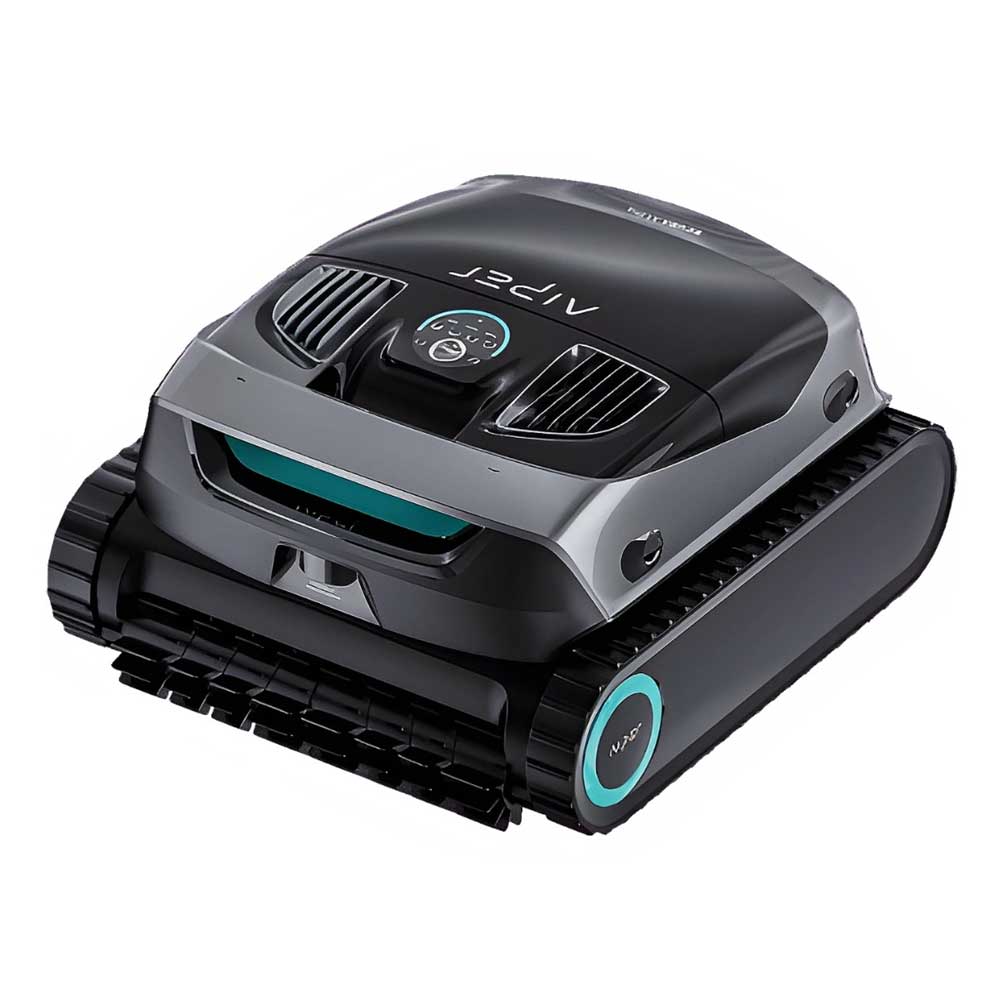
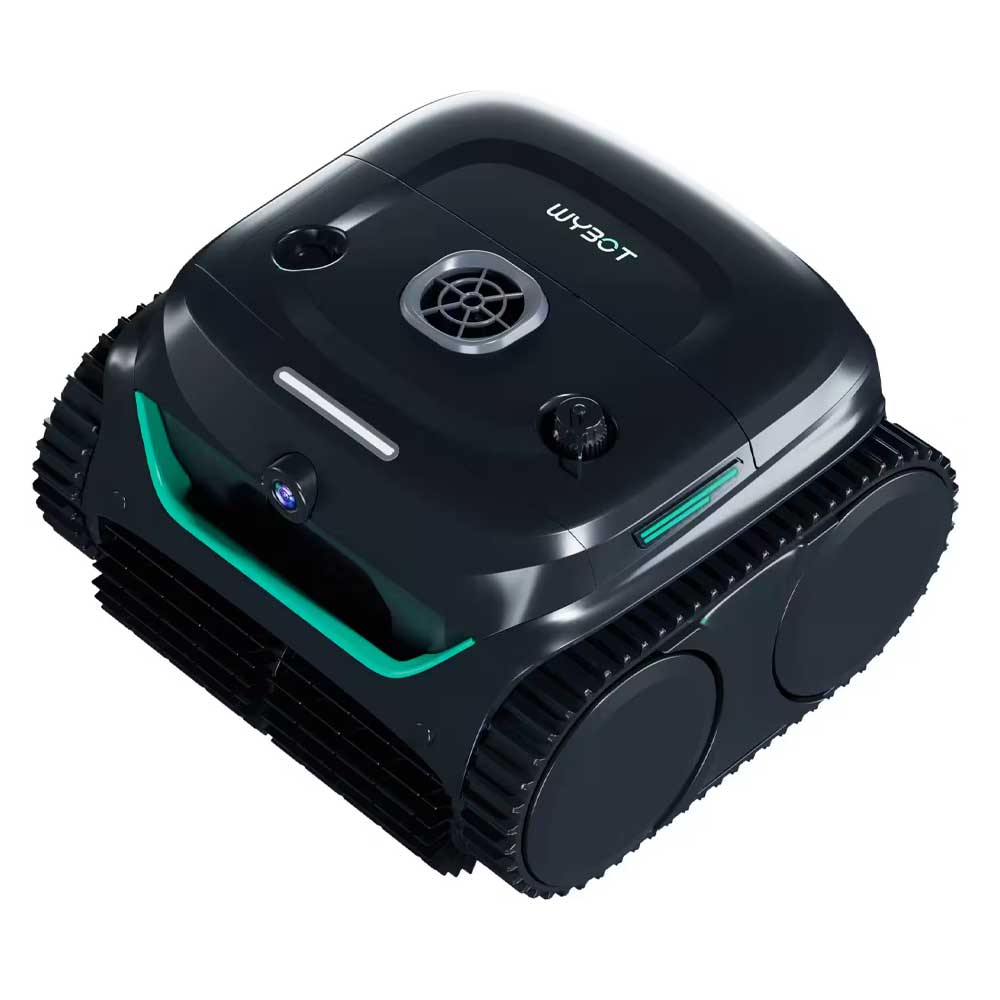
| Feature | Dreame Z1 Pro | Beatbot AquaSense | Aiper Scuba X1 | Wybot C2 Vision |
|---|---|---|---|---|
 |  |  |  | |
| Runtime | Up to 180 min | Up to 210 min | ~150 min | ~150 min |
| Waterline Cleaning | ✔️ (Horizontal scrub) | ✔️ (Vertical climbing) | ✔️ (Wall-to-waterline pathing) | ❌ |
| App Control & Mapping | ✔️ Visual map + scheduling | ✔️ Basic app + remote control | ✔️ Limited app | ❌ |
| Self-Lifting Retrieval | ✔️ | ✔️ | ✔️ | ❌ |
| Filter Access | Top-load, hinged bottom | Top-load | Top-load | Bottom-load |
| Suction Power | 8,000 GPH | Not disclosed | 5,100 GPH | Moderate |
| Price Range | ~$1,199 | ~$1,399 | ~$899 | ~$549 |
💬 Real User Reactions
“This thing climbs walls like Spider-Man and actually cleans the waterline.”
“No more tangled cords, great cleaner with smart modes, perfect for messy pools.”
“Magnetic charger and auto-lift? Why don’t all pool robots do this yet?”
🎯 Who Should Buy the Dreame Z1 Pro?
The Z1 Pro is ideal for:
- Homeowners with inground pools up to ~2,000 sq. ft.
- People who want smart control over their cleaning routine
- Anyone who’s tired of tangled cables or old-school pool vacs
- Pool owners who care about a spotless tile line
If your priorities are ease of use, hands-off operation, and smarter cleaning, this cleaner is built for you.

🛒 Where to Buy It
The Dreame Z1 Pro is available on Amazon and through Dreame’s official website. Typically the listed retail price is around $1,899, though deals do pop up during Prime Day and seasonal sales. As of today’s writing, you can get one for 53% off at $899.99, though this is a limited-time only deal.

- This device currently supports 2.4GHz Wi-Fi, or dual-band Wi-Fi (2.4GHz and 5GHz).
- 8,000 GPH Powerful Suction & Dual Brushing System: The Z1 Pro robotic pool cleaner is equipped with 4 roller brushes, adopts front and rear dual brushing system, and provides industry-leading 8,000GPH per hour of suction power to easily remove leaves, sand and various debris. Even the most stubborn dirt can be easily removed, keeping your pool clear all year round and getting professional-grade cleaning results.
- Effortless Horizontal Waterline Cleaning: 50% enhanced waterline cleaning efficiency compared to other cordless pool cleaners. Powered by dual pump motors and a sleek aerodynamic design, Z1 Pro securely adheres to pool walls, effortlessly navigating up and down the waterline to cover more spaces without missing a beat

🏁 Final Verdict
The Dreame Z1 Pro checks every box for a premium robotic pool cleaner in 2025:
✅ Intelligent mapping
✅ Real waterline cleaning
✅ Cordless convenience
✅ Quiet operation
✅ App control
✅ Self-surfacing for retrieval
Against competitors like the Z1 Pro doesn’t just stack up—it often leads the pack. If you’re ready to upgrade from outdated suction-side vacs or underpowered budget bots, the Dreame Z1 Pro offers a powerful, intelligent, and incredibly easy-to-use solution.


Download the NEW Pool Magazine App
 Sponsored Advertisement
 AquatiCare™: Proactive Pool Maintenance You Can Count On
 RB Retail & Service Solutions adds DocuSign to Software
 BSquared offers New Free Standing Sunledge
 Family Leisure Announces Exclusive Retail Partnership with Jacuzzi
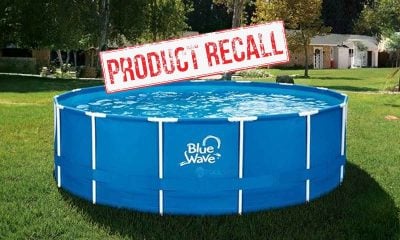
  Blue Wave Recall on Over 13,000 Above Ground Pools
 Tile Heritage Foundation embraces FOUR NEW BOARD MEMBERS joining the current Board of Directors!
 Coverings 2026 Previews Conference Education Ahead of Las Vegas Show

 PHTA Sees Record Attendance at Southwest Pool & Spa Show
- Tile Heritage Foundation embraces FOUR NEW BOARD MEMBERS joining the current Board of Directors!
 A Look at the Bublue BuVortex V5 Robotic Pool Skimmer
 AquaCal AutoPilot and Devin Cahn Associates Join Forces
 Recession Could Mean Less Discretionary Dollars For Pool Industry
 Innovative Steele Mixer Aims To Help Pool Contractors Mix Concrete Faster
 HASA, Inc. Promotes Rob Bzdil to Chief Commercial Officer & President, Chlor-Alkali


 Sponsored Advertisement
-
 Pool News2 weeks ago
Blue Wave Recall on Over 13,000 Above Ground Pools
-

 Industry News4 weeks ago
Latham Group Appoints Sean Gadd as Chief Executive Officer
-
 News3 weeks ago
Built on Relationships: Pentair Pool’s New Sales Structure and the People Who Make It Work
-

 Pool Service News4 weeks ago
Easton Select Group Adds Harrison Pool & Spa, Expanding Service Across MetroWest Boston
-
 Press Releases4 weeks ago
FSPA Wins Big at Florida Building Commission
-

 News4 weeks ago
Aquadei Technologies Announces Strategic Alliance with the Master Pool Guild
-

 Features4 weeks ago
Adopting Engineered, Reliable Pool Waterproofing Innovations — Why North America pool builders are shifting toward PVC membranes
-

 Manufacturer4 weeks ago
RicoRock® Offers New Temple Stone Firepit