


Pool News
What Do You Do If Your Pool Builder Abandons The Project?
Building a pool is a dream for many, but what do you do if your pool builder suddenly abandons your pool construction project?


Building a pool is often a homeowner’s dream, promising relaxation, recreation, and enhanced property value. While the process of building a pool can come with various hurdles that prolong the process longer than some homeowners would like, most builders are reputable enough to see the project through to its fruition. However, what happens when the dream of building a pool turns into a nightmare, and the pool builder abandons the project halfway through? This worst-case scenario can inflict both emotional distress and financial strain on homeowners.
Worst Case Scenario: When a Pool Builder Abandons The Project Entirely
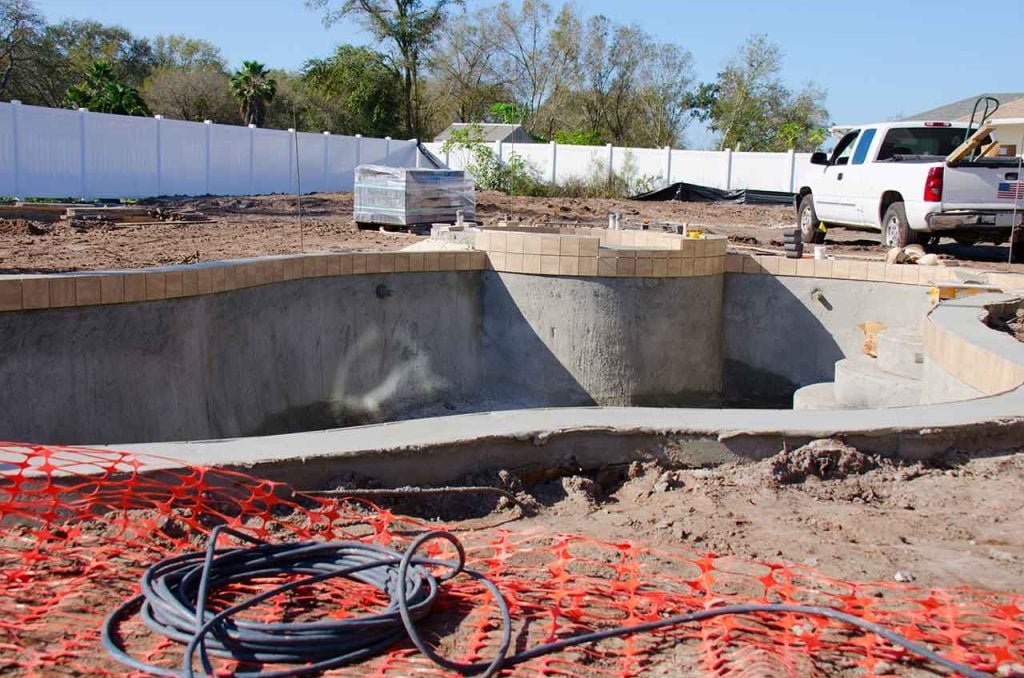
When a pool builder abandons a project, homeowners are left with a gaping hole in their yard and an even greater hole in their hearts. The excitement of transforming their property turns into frustration, disappointment, and even anger as they face the daunting task of either picking up the pieces themselves or finding a new builder to finish the job. The emotional toll of unfulfilled promises and dashed hopes can be absolutely overwhelming.
Financially, the situation is equally distressing. Homeowners often take out loans to fund their pool construction, with the expectation that the loan payments will be justified by the completed project. When the builder abandons the project, homeowners are left with loan payments and little to show for it. They are essentially paying for something they don’t have and can’t use.

Exploitative Practices: Collecting Incomplete Project Payments
Unfortunately, there are instances where unscrupulous pool builders take advantage of payment milestones to their benefit, often at the expense of homeowners. One concerning practice in some states is contractors collecting significant portions of the project cost, sometimes up to 90%, before the milestones are genuinely completed. This practice raises concerns about transparency, quality, and homeowner protection where consumers can find themselves in a vulnerable position, as they’ve handed over a substantial amount of money without receiving the promised results.
This approach can lead to various issues:
- Lack of Incentive: When a large portion of the payment is collected upfront, the builder might lose motivation to complete the project efficiently and to high standards.
- Low Accountability: Builders might be less responsive to homeowner concerns and requests once they have received the majority of the payment.
- Quality Compromises: With most of the funds already collected, some builders might cut corners or use subpar materials, negatively impacting the final quality of the pool.
- Limited Recourse: Homeowners have less leverage to enforce completion when they’ve already paid the bulk of the project cost.
The Purpose of Payment Milestones
Good pool companies understand that transparency in payment milestones is essential for building trust, fostering positive client relationships, and ensuring the successful completion of projects. Transparent payment practices create an environment where both parties—homeowners and pool builders—can work collaboratively towards a shared goal. By clearly communicating the connection between completed work and payments, reputable pool companies demonstrate their commitment to fairness, accountability, and quality.
Best Practices for Transparent Payment Milestones:
- Detailed Contracts: Reputable pool companies provide comprehensive contracts that outline the project scope, payment schedule, and milestones. These contracts specify the work to be completed at each stage and the corresponding payment amount, ensuring that both parties have a clear understanding of expectations.
- Progress-Based Payments: Transparent companies tie payment milestones to specific stages of project completion. Payments are made when certain tangible milestones are achieved, such as excavation, plumbing, structural work, and finishing touches. This approach ensures that clients see the progress being made and that payments accurately reflect the work completed.
- Open Communication: Regular communication between the pool company and homeowners is key. Transparent companies provide updates on project progress, notify homeowners about upcoming milestones, and address any concerns promptly. This proactive approach builds trust and keeps clients informed throughout the construction process.
- Inspections and Approvals: Before each payment is due, reputable pool companies encourage homeowners to inspect the completed work and provide their approval. This step ensures that the completed work aligns with the agreed-upon quality standards before any funds are disbursed.
- Flexible Payment Options: Good pool companies may offer flexibility in payment options, allowing homeowners to choose between different methods or breaking down larger payments into smaller installments. This approach accommodates the financial preferences of clients while maintaining transparency.
- Retained Funds for Completion: To incentivize the completion of the project and ensure homeowner satisfaction, some companies may retain a percentage of the final payment until after a warranty period. This provides assurance that any post-construction issues will be promptly addressed.
Payment milestones in construction projects serve several important purposes:

- Fair Compensation: Payment milestones ensure that contractors and subcontractors are compensated for the work they complete. It provides a predictable cash flow for all parties involved.
- Motivation for Progress: Structured payment milestones incentivize builders to make consistent progress. Knowing that their compensation is tied to completing specific tasks encourages builders to meet deadlines and fulfill project commitments.
- Quality Control: By tying payments to completed work, homeowners can assess the quality of each stage before making further payments. This incentivizes builders to maintain high standards throughout the project.
Protecting Homeowners: Best Practices for Payment Milestones
To prevent falling victim to exploitative payment practices, homeowners should follow these best practices:
- Detailed Contract: Have a clear and comprehensive contract that outlines payment milestones, project scope, timelines, and quality standards.
- Tied to Progress: Link payments to completed project milestones, not just based on time. This ensures that payments reflect tangible progress made.
- Retain a Percentage: Consider retaining a portion of the total payment until the project is fully completed and meets your satisfaction.
- Inspections and Approvals: Regularly inspect completed work and ensure it meets the agreed-upon quality standards before making payments.
- Holdback for Warranty Period: Consider holding back a portion of the payment until after a warranty period to ensure any issues that arise are addressed promptly.
Mechanics Liens: A Double-Edged Sword
Pool builders, like other construction professionals, may use a mechanics lien to protect their financial interests and ensure they are compensated for the work they have performed or the materials they have supplied. Mechanics liens are legal claims that contractors, subcontractors, suppliers, and other parties involved in a construction project can file against a property while working on the pool.
Some builders however can resort to using a mechanics lien as additional leverage. This adds an extra layer of complexity to an already distressing situation. Homeowners could find themselves facing potential legal battles to remove the liens, even though they have already paid the original builder. The lien process can potentially jeopardize the homeowner’s credit and property ownership. Before beginning a pool construction project it’s important to discuss this with the builder and learn how, when, and if a mechanics lien will be employed during any aspect of the project.
Abandoned Project: Can They Lien Your Home?
The question of whether a builder can place a mechanics lien on a homeowner’s property even if project milestones are incomplete depends on the jurisdiction and the specific terms outlined in the construction contract. Some states allow mechanics liens for incomplete work, while others require the work to be substantially complete before a lien can be filed. In many cases, a mechanics lien can be filed if the builder hasn’t paid subcontractors or suppliers, regardless of the project’s completion status.
Picking Up the Pieces: DIY or Hire Another Builder?
When faced with an abandoned pool project, homeowners have two main options: take matters into their own hands or hire a new builder to finish the job. Both options have their challenges and considerations.
- DIY Approach: Some homeowners might choose to take control and finish the pool themselves. This can save costs but requires a strong understanding of pool construction, necessary permits, and access to skilled subcontractors. It’s crucial to assess whether you have the time, skills, and resources to manage such a project effectively.
- Hiring Another Builder: Bringing in a new builder can provide relief, but it’s essential to thoroughly research and vet potential candidates. Check references, read reviews, and ensure the new builder has a solid track record of completing projects on time and within budget.
Prevention and Action: Safeguarding Your Investment
Preventing a pool construction nightmare begins with due diligence:
- Thorough Research: Research potential builders extensively. Verify that your builder is a state-licensed contractor. Most state licensing boards have a web portal consumers can use. For instance, in the state of California, consumers can look up a contractor’s license status online.
- Reviews: Check online reviews but don’t make a hiring decision based on this alone. Some review platforms can be manipulated by bots or fake accounts. Ask for references and check them out to verify the builder performed the work to the client’s satisfaction. You can also ask for a “pool tour” of completed projects to assess the quality of their work.
- Detailed Contracts: Have a detailed contract that outlines project milestones, payment schedules, and dispute resolution mechanisms. This can provide legal protection if issues arise.
- Regular Inspections: Regularly inspect the progress of the project to ensure it aligns with the agreed-upon timeline and quality standards.
- Payment Monitoring: Keep track of payments to ensure the builder is paying subcontractors and suppliers as agreed upon.
Dealing with Abandonment: Steps to Take
If a builder abandons the project, homeowners should consider these steps:
- Documentation: Document the state of the project, any communication with the builder, and any payments made.
- Consult an Attorney: Seek legal advice from an attorney specializing in construction law to understand your rights and options.
- Negotiation: Attempt to negotiate with the builder to reach a resolution. Legal action should be a last resort due to its time-consuming and costly nature.
- Notify Subcontractors: If possible, notify subcontractors and suppliers that you will be handling payments directly to prevent mechanics liens.
- Assess Next Steps: Decide whether you’re equipped to finish the project yourself or if hiring a new builder is the best course of action.
- Notify Relevant Authorities: Homeowners and contractors can consider notifying state contractors boards, consumer protection agencies, and attorney general’s offices about the situation. These entities often oversee construction practices and can provide guidance or assistance in resolving disputes.
- Contact Consumer Protection Organizations: Reporting the issue to consumer protection organizations, such as the Better Business Bureau, can help raise awareness about the situation and potentially mediate a resolution between parties.
At the end of the day, a builder abandoning a pool construction project is the absolute worst-case scenario. If faced with abandonment, homeowners must make informed decisions, consult professionals, and weigh the pros and cons of finishing the project themselves or hiring a new pool builder. Through careful planning and proactive steps, homeowners can avoid the pitfalls of pool construction nightmares and safeguard their investment.











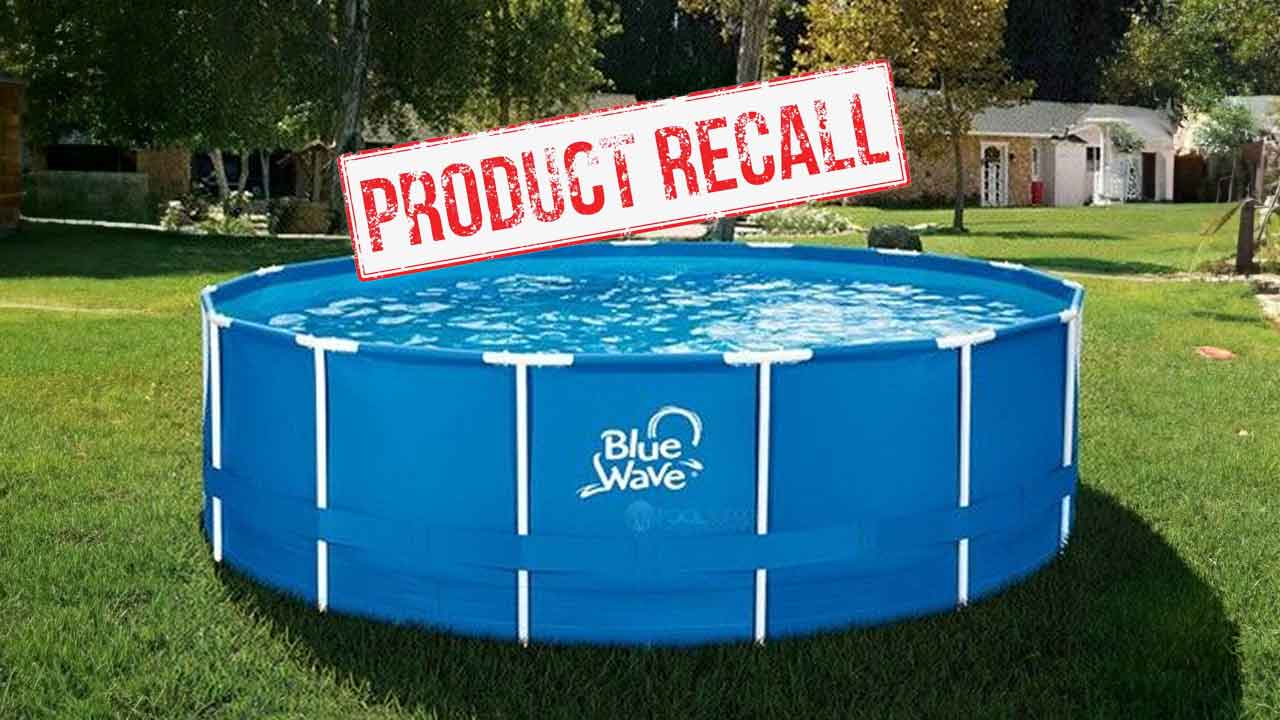
Blue Wave has issued a recall affecting multiple above-ground swimming pool models after federal safety officials identified a potential drowning hazard involving children.
The recall, announced by the U.S. Consumer Product Safety Commission (CPSC) on December 18, covers approximately 13,400 Blue Wave brand above-ground pools that are 48 inches deep or taller and utilize an exterior compression strap as part of the pool’s frame system.
Reason for the Recall
The affected pools feature a compression strap positioned around the outside of the vertical support poles. While the strap is designed to provide structural stability, the CPSC determined that its placement may unintentionally create a foothold.
According to the agency, this foothold could allow children to climb into the pool, even when the ladder has been removed, creating a risk of unsupervised access and potential drowning.
No injuries or fatalities have been reported in connection with the recalled products at the time of the announcement.
Affected Models
The recall applies to the following Blue Wave above-ground pool models:
• Blue Wave 15-Ft Rd 48-In Active Frame Pool
• Blue Wave 18-Ft Rd 52-In Active Frame Pool
• Blue Wave 18-Ft Rd 52-In Dark Cocoa Wicker Frame Pool
• Blue Wave 24-Ft Rd 52-In Dark Cocoa Wicker Frame Pool
• Blue Wave Rustic Cedar 15-Ft Round 48-In Deep Frame Swimming Pool Package W/Cover
• Blue Wave Rustic Cedar 18-Ft Round 52-In Deep Frame Swimming Pool Package W/Cover
• Blue Wave 18-Ft Round 52-In Gray Rattan Swimming Pool Package W/Cover
• Blue Wave 18-Ft Round 52-In Espresso Wicker Swimming Pool Package W/Cover
• Blue Wave 15-Ft Round 48-In Navy Blue Frame Swimming Pool Package W/Cover
• Blue Wave 18-Ft Round 52-In Navy Blue Frame Swimming Pool Package W/Cover
• Blue Wave 15-Ft Round 48-In Aspen Swimming Pool Package W/Cover
• Blue Wave Mocha Wicker 18-Ft Round 52-In Deep Swimming Pool Package With Cover
• Blue Wave Mocha Wicker 24-Ft Round 52-In Deep Swimming Pool Package With Cover
• Blue Wave Laguna 15-Ft Round 48-In Deep Swimming Pool Package With Cover
• Blue Wave Laguna 18-Ft Round 52-In Deep Swimming Pool Package With Cover
All affected models share a common design feature: an exterior compression strap that encircles the pool’s vertical supports.
Sales Channels and Distribution
The recalled pools were sold nationwide from January 2021 through July 2025 through a mix of big-box retailers, sporting goods stores, and online marketplaces, including:
• The Home Depot
• Lowe’s
• Dunham’s Sports
• Amazon
• Walmart
• Wayfair
Retailers have been notified to halt sales of affected models and to direct customers to the manufacturer’s recall remedy.
What Dealers and Retailers Should Know
For dealers and retail partners, the recall highlights the importance of prompt inventory review and customer outreach. Any remaining unsold stock matching the recalled models should be removed from the sales floor and distribution channels immediately.
Retailers that sold affected units during the recall period may see an increase in customer inquiries regarding eligibility, repair kits, and interim safety measures. Clear communication at the point of contact will be critical, particularly around the distinction between structural components and ladders, which many consumers assume are the primary access risk.
Service professionals and retail staff should also be prepared to explain that the recall does not involve a full product replacement, but rather a manufacturer-provided modification designed to eliminate the foothold while maintaining frame integrity.
Manufacturer Remedy
Blue Wave is offering a free repair kit to affected pool owners. The kit replaces the exterior compression strap with a lower-profile system installed closer to ground level. Once the repair is completed, the original strap can be removed.
Until the repair is installed, the manufacturer and CPSC recommend that pool owners prevent unsupervised access to the pool area or drain the pool temporarily.
Dealers and service professionals should advise customers not to remove or cut the compression strap prior to installing the repair kit, as doing so could compromise the pool’s structural stability.

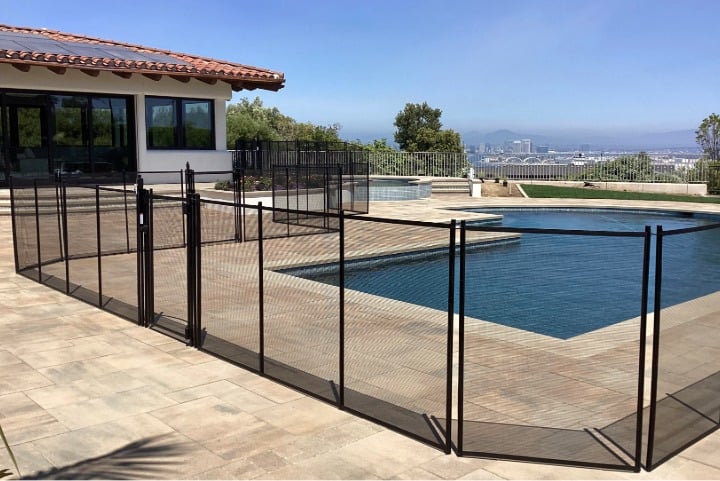
Poolsafe LLC, offers new mesh, removable safety fencing designed to be installed around any pool shape or size. Uses patented, transparent, large-hole ClearGuard™ Mesh for better visibility into the pool area, while also blending the fence into backyard. Lockable, self-closing Triton™ gate features a curved top bar to help prevent climbing. Unique Tri-Pod Truss system keeps gate aligned with daily usage. Available in 4ft and 5ft heights, in black, brown, beige, or gray colors.
https://poolsafe.com/
(888) 489-2282

Latham Group, Inc. (Nasdaq: SWIM), the largest designer, manufacturer, and marketer of in-ground residential swimming pools in North America, Australia, and New Zealand, appoints Sean Gadd as the company’s new President and Chief Executive Officer as part of a CEO transition that will take effect on January 5, 2026. The appointment follows a comprehensive search as part of a succession planning process led by the Board and current CEO Scott Rajeski, who will be retiring from Latham and will serve as a special advisor to the company.
Sean Gadd comes to Latham following a 21-year career at James Hardie. He most recently served as President of North America since 2022, where he has had full P&L responsibility for James Hardie’s largest regional business. Prior to his role as President of North America, Sean served as Executive Vice President, North America, Commercial (2018-2022) and Executive Vice President, Markets and Segments, North America (2015-2018) at James Hardie, leading the front end of the business across product, marketing, and sales. Sean has been instrumental in spearheading James Hardie’s substantial organic net sales growth since 2022, driving material conversion and deeper market penetration through a refined go-to-market strategy targeting end-users via channel partners. Sean brings experience that is directly comparable to Latham’s material conversion and Sand State initiatives, and his demonstrated success in driving strategic growth will be invaluable for Latham and its shareholders.
James E. Cline, Chairman, commented, “Sean is known as a strong leader and brand-builder and has an impressive track record of driving growth at James Hardie. We are thrilled that he has accepted the CEO role at Latham, and the Board believes Sean will be able to leverage his robust commercial experience, sector knowledge, and branding expertise to accelerate our ability to continue to gain share and further the conversion to fiberglass from concrete pools.”

“I am pleased to be joining Latham and am looking forward to building on its achievements to date. This is an excellent opportunity for me to utilize my experience in the building products category to drive further market penetration and adoption of Latham’s top-quality products and greater recognition for its superior service standards,” Mr. Gadd commented.
Mr. Gadd will also become a member of Latham’s Board of Directors, replacing Mr. Rajeski, who is resigning from the Board concurrently with his retirement.
Mr. Cline commented, “On behalf of the Board of Directors, I want to express our deep appreciation for the contributions that Scott Rajeski has made to Latham during his long tenure at the company, first as Chief Financial Officer and, since 2017, as President and Chief Executive Officer. Under his leadership and that of his executive and operating teams, the company went public in April of 2021 and has experienced substantial growth, demonstrated resilience within a difficult industry environment, and built a strong financial position.”
Mr. Rajeski noted, “It has been a privilege to serve as the President & CEO of Latham alongside the talented executive and operating teams that we have at the company. Together, we have advanced the awareness and adoption of fiberglass pools and autocovers, while implementing production and related efficiencies that have streamlined our operations. I am proud to be retiring as CEO of Latham with the company in a strong financial position and in very capable hands. Throughout my conversations with Sean, I have been very impressed with his leadership capabilities and background, and I am confident that he will bring a unique skillset that will allow Latham to continue to outperform the industry, gain further traction in the important Sand States, and remain an acquirer of choice.”
About Latham Group, Inc.

Latham Group, Inc., headquartered in Latham, NY, is the largest designer, manufacturer, and marketer of in-ground residential swimming pools in North America, Australia, and New Zealand. Latham has a coast-to-coast operations platform consisting of approximately 1,850 employees across around 30 locations.


Download the NEW Pool Magazine App
 Sponsored Advertisement
 AquatiCare™: Proactive Pool Maintenance You Can Count On
 RB Retail & Service Solutions adds DocuSign to Software
 BSquared offers New Free Standing Sunledge
 Family Leisure Announces Exclusive Retail Partnership with Jacuzzi
  Blue Wave Recall on Over 13,000 Above Ground Pools
 Tile Heritage Foundation embraces FOUR NEW BOARD MEMBERS joining the current Board of Directors!
 Coverings 2026 Previews Conference Education Ahead of Las Vegas Show

 Which States Struggled the Most With Lifeguard Shortages This Summer?
 POOLCORP Increasing Prices
 Man Holds Breath for 29 Minutes: Poolside Feat Shatters World Record
 Installing an Outdoor Kitchen in your Backyard Space
 Understanding Rebates: How to Turn Purchasing Power Into Profit
 FSPA Wins Big at Florida Building Commission
 Draining Pool Costs Elderly Woman Her Homeowners Insurance
 Sponsored Advertisement
 Sponsored Advertisement
-
 Pool News2 weeks ago
Blue Wave Recall on Over 13,000 Above Ground Pools
-

 Industry News4 weeks ago
Latham Group Appoints Sean Gadd as Chief Executive Officer
-

 News3 weeks ago
Built on Relationships: Pentair Pool’s New Sales Structure and the People Who Make It Work
-

 Pool Service News3 weeks ago
Easton Select Group Adds Harrison Pool & Spa, Expanding Service Across MetroWest Boston
-
 Press Releases4 weeks ago
FSPA Wins Big at Florida Building Commission
-

 News4 weeks ago
Aquadei Technologies Announces Strategic Alliance with the Master Pool Guild
-

 Features4 weeks ago
Adopting Engineered, Reliable Pool Waterproofing Innovations — Why North America pool builders are shifting toward PVC membranes
-

 Manufacturer4 weeks ago
RicoRock® Offers New Temple Stone Firepit